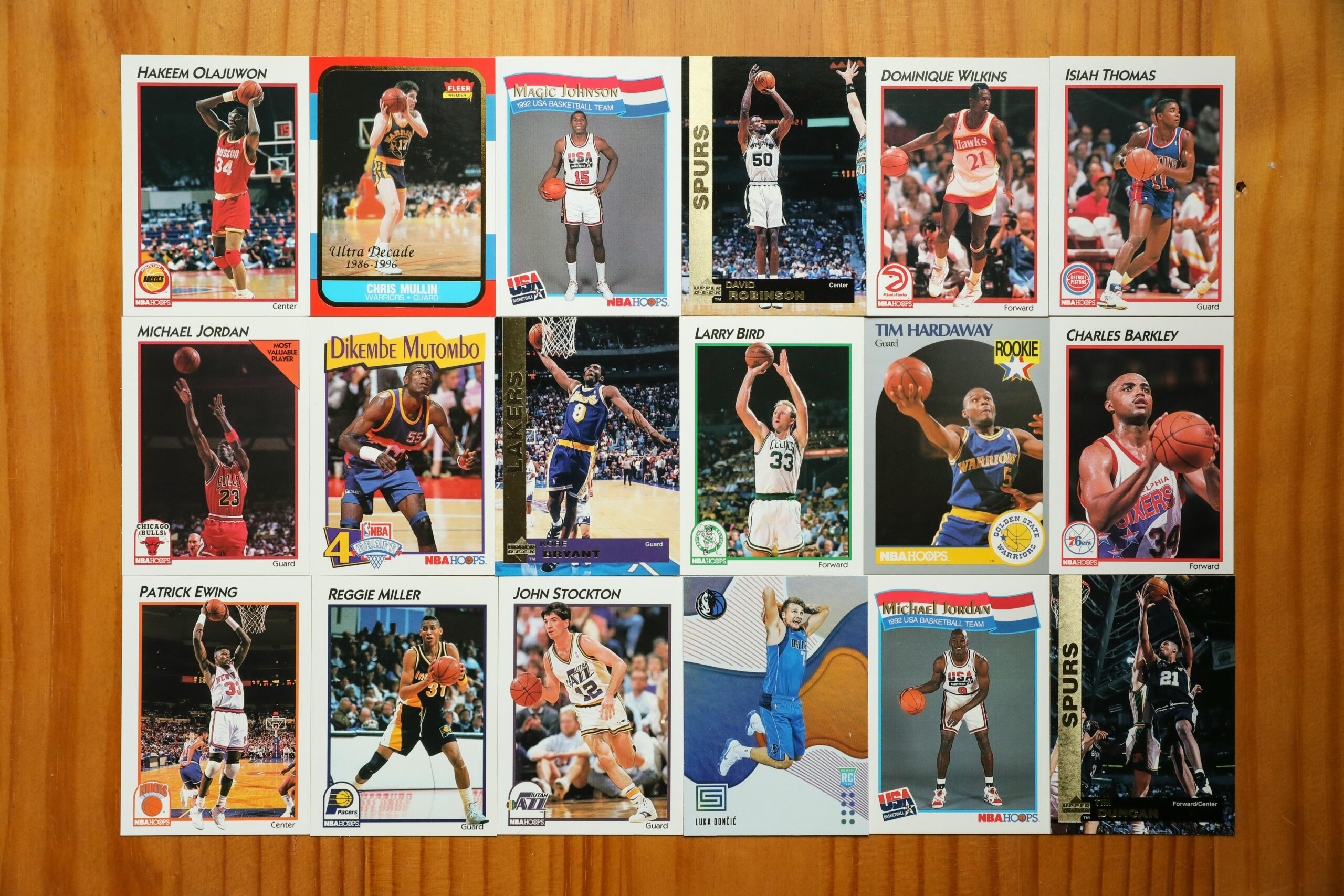
Starting a collection can be exciting because it combines sports passion, history, creativity, and personal discovery. Many collectors begin with a favorite athlete, team, or memorable sports moment, and over time, their collections grow into valuable personal archives. However, new collectors often feel confused about where to begin, which cards to buy, and how to protect their items.
Therefore, learning the basics before spending money helps create a smarter and more enjoyable experience. This guide explains the essential steps every beginner needs to know, from choosing valuable sports cards and understanding value to organizing and protecting a growing collection.
Understanding the Basics of Sports Card Collecting
Sports card collecting has become a popular hobby among fans, investors, and history lovers. A card can represent a famous player, a special season, or an important moment in sports history. For beginners, understanding different card types is important because each category has unique features, rarity levels, and market demand.
Additionally, collectors should learn common terms before purchasing cards. Words like condition, rarity, parallel, insert, and grading appear frequently in the collecting world. Therefore, understanding these terms allows beginners to make better choices and avoid unnecessary mistakes.
Choosing the Right Sports Cards to Collect
Selecting a collecting focus makes the hobby more enjoyable and organized. Some collectors prefer basketball cards, while others choose baseball, football, soccer, or other sports. Furthermore, many beginners collect cards from their favorite athletes because personal interest creates a stronger connection with each item.
However, collectors should also consider long-term interest and market demand. For instance, popular athletes, historic players, and rising young stars often receive more attention from collectors. Therefore, researching players, teams, and card releases before buying can help beginners understand potential value. A balanced collection often includes personal favorites along with cards that have strong collector demand.
Learning How Card Value Works
The value of a card depends on several factors, including condition, rarity, player popularity, and market trends. A rare card from a legendary athlete may have significant value, while a common card from the same player may have limited demand.
Moreover, market research plays an important role in understanding card prices. Collectors can compare recent sales, study online marketplaces, and follow hobby communities to learn current trends. Additionally, card values can change over time because player performance, achievements, and public interest influence demand. As a result, patience and research help collectors make smarter purchasing decisions.
Finding Reliable Places to Buy Sports Cards
Finding trustworthy sellers is an important step for every new collector. Local card shops, sports card shows, online marketplaces, and collector communities provide different buying opportunities. However, each option has advantages and challenges. For example, local stores allow collectors to inspect cards directly, while online platforms provide access to a wider selection.
Therefore, beginners should research sellers before making purchases. Checking reviews, seller ratings, and return policies helps reduce risks. Furthermore, collectors should compare prices across different platforms instead of buying the first card they find. This simple habit can prevent overpaying and helps beginners understand the real market value of collectible sports cards.
Protecting and Organizing Your Collection
Proper storage helps maintain card condition and protects the long-term value of a collection. Sports cards can easily suffer damage from moisture, sunlight, dust, and improper handling. Therefore, collectors should use protective sleeves, card holders, and storage boxes designed specifically for trading cards.
Organization also improves the collecting experience. Many collectors arrange cards by sport, player, year, team, or card series. Moreover, digital tracking tools and collection apps can help record purchases, values, and important details. As a result, an organized collection becomes easier to manage, review, and expand over time.
Understanding Card Grading and Condition
Card grading is an important part of collecting because condition strongly affects value. Professional grading companies examine factors such as corners, edges, surface quality, and centering. After evaluation, they provide a grade that helps buyers understand the card’s condition.
However, beginners should learn grading basics before submitting cards for evaluation. Not every card benefits from professional grading because grading costs money and depends on potential value. For example, a rare card in excellent condition may justify grading, while a common card may not.
Building a Smart Long-Term Collection Strategy
Successful collectors usually develop a clear strategy instead of buying random cards. Some focus on specific players, while others build complete sets or collect historically important cards. Therefore, defining personal goals makes the collecting journey more meaningful.
Additionally, collectors should remember that patience is essential. The hobby changes over time, and market trends can shift quickly. For instance, a young athlete may become highly popular after a major achievement, while another player’s demand may decrease. Consequently, staying informed and enjoying the process remain important parts of long-term collecting success.
Enjoying the Community and Growing Your Collection
The collecting community offers valuable opportunities for beginners to learn and connect with others. Online forums, social media groups, card shows, and local clubs allow collectors to share knowledge, trade cards, and discover new ideas. Furthermore, interacting with experienced collectors can help beginners understand market trends and avoid common mistakes.
Collecting should be an enjoyable experience rather than only a financial activity. While some cards may increase in value, the memories and stories behind each card often create the greatest connection. Therefore, beginners should focus on learning, exploring, and building a collection that reflects their personal interests. With time, knowledge, and care, a collection can become a rewarding hobby that continues for many years.