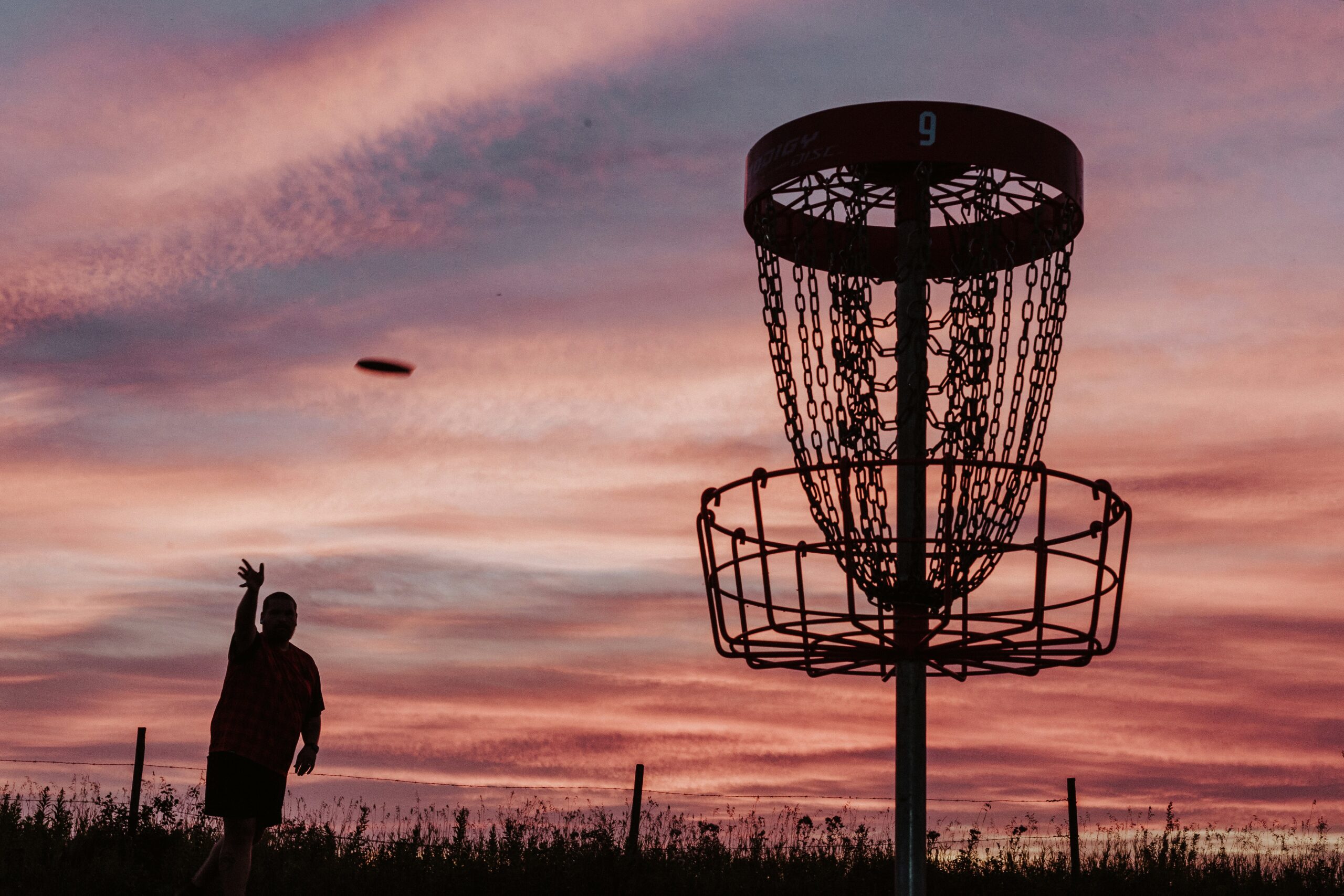
Starting disc golf is exciting because you do not need a lot of equipment to play your first round. However, having the right disc golf gear can make the game easier, more comfortable, and more enjoyable. Good equipment helps beginners learn proper throwing techniques without feeling overwhelmed by too many choices. A simple set of golf gear can give you everything you need for practice and casual rounds. Instead of buying dozens of discs and accessories at once, focus on a few useful items that support your skills as you improve.
Start With the Right Discs
Discs are the most important part of your beginner setup. Although experienced players may carry many different discs, beginners usually need only three basic types. These include a putter, a midrange disc, and a fairway driver. Each disc has a different purpose, so learning how they fly will help you understand the game faster.
A putter works best for short throws and shots near the basket. It normally flies slowly and gives you more control. A midrange disc is useful for medium-distance shots where accuracy matters. Meanwhile, a fairway driver can help you reach longer distances without requiring as much throwing speed as a high-speed distance driver.
Choose Beginner-Friendly Discs
Not every disc is easy for a new player to throw. Some discs are designed for experienced players who can generate a lot of speed and power. For this reason, beginners should usually choose slower and more controllable discs.
A lower-speed disc allows you to focus on smooth form instead of throwing as hard as possible. It can also help you develop better accuracy. As your technique improves, you can slowly experiment with faster drivers and more specialized discs.
The weight of your discs also matters. Lighter discs can be easier to throw for beginners, younger players, and people with less arm speed. However, slightly heavier discs may offer more control in windy conditions. Try different weights when possible and choose the ones that feel natural in your hand.
Carry a Small Disc Golf Bag
Once you have a few discs, you need a convenient way to carry them around the course. A small disc golf bag is often enough for beginners. You do not need a large tournament backpack filled with twenty or thirty discs.
A basic bag should have enough space for your discs, water bottle, towel, phone, keys, and a few personal items. Some beginner bags also include padded shoulder straps and extra storage pockets.
Using a dedicated bag helps keep your disc equipment organized and easy to reach during a round. It can also protect your discs from unnecessary dirt and damage while you travel between courses.
Wear Comfortable Shoes
Disc golf involves more walking than many beginners expect. Courses can include hills, wooded paths, muddy areas, rocks, grass, and uneven ground. Therefore, comfortable shoes with good traction are very important.
Athletic shoes, trail running shoes, or hiking shoes can all work well. The best choice depends on the type of courses you normally play. If you often play on wet or muddy courses, water-resistant footwear can be especially helpful.
Your shoes should also allow you to rotate comfortably when throwing. A stable base can improve both your balance and confidence. More importantly, comfortable footwear can help you enjoy longer rounds without sore feet.
Keep a Towel in Your Bag
A towel is one of the simplest accessories you can carry, but it can make a major difference. Discs often become wet, muddy, or dusty during a round. When the surface becomes slippery, maintaining a consistent grip becomes difficult.
A small microfiber towel can quickly clean and dry your discs. This is especially useful after rain or when playing early in the morning when grass may still be wet.
Keeping your discs dry allows you to throw with more confidence. It may also reduce mistakes caused by the disc slipping from your hand during your throwing motion.
Bring Water for Every Round
Hydration should always be part of your disc golf setup. Even a casual round can involve a long walk, repeated throwing movements, and plenty of time outdoors.
Bring a reusable water bottle whenever you play. During hot weather, you may need more water than you expect. Drinking regularly can help you maintain energy and concentration throughout the round.
Many disc golf bags include a water bottle holder, which makes carrying drinks more convenient. If your bag does not have one, make sure your bottle fits securely inside without leaking onto your equipment.
Protect Yourself From the Sun
Because disc golf is usually played outdoors, sun protection is another important consideration. Sunscreen can help protect your skin during long rounds, especially during summer.
A lightweight hat can provide extra protection while also keeping the sun out of your eyes. Sunglasses may help on bright days as well. Choose sunglasses that stay secure while you throw and move around the course.
Weather conditions can change quickly, so you may also want to carry a lightweight rain jacket. Being prepared can prevent an unexpected shower from ending your round early.
Use a Mini Marker
A mini marker is a small disc used to mark your position after a throw. Casual players do not always use one, but learning how to use a marker can help you become familiar with standard disc golf rules.
Mini markers are inexpensive, lightweight, and easy to carry. They take up very little space inside your bag. If you eventually enter leagues or tournaments, understanding how to mark your lie correctly will already feel natural.
Consider Buying a Starter Set
A starter set can be an excellent choice if you do not know which discs to buy. Most beginner sets include a putter, midrange disc, and driver. These discs are usually selected because they are easier for newer players to control.
Starter sets can also save money compared with purchasing several individual discs. More importantly, they reduce confusion. Instead of comparing dozens of different molds, plastics, weights, and flight numbers, you can begin playing immediately with a simple setup.
As you gain experience, you will learn what you like and dislike about each disc. That knowledge will help you make smarter buying decisions later.
Avoid High-Speed Drivers at First
Many beginners assume that a high-speed distance driver will automatically produce longer throws. In reality, these discs often require more arm speed and better technique.
When a beginner cannot generate enough speed, a fast driver may fade early and travel less distance than a slower disc. This can make throwing frustrating.
A controllable fairway driver or midrange disc can often produce better results. These discs help you learn smooth timing and proper release angles. Once your throwing speed improves, you can begin adding faster drivers to your collection.
Add Accessories as You Improve
Beginners do not need every accessory available. However, certain items may become useful as you play more frequently.
For example, a disc retriever can help recover discs that land in water, thick bushes, or difficult areas. Waterproof storage can protect your phone and valuables during rainy rounds. Extra towels can also be helpful when conditions are especially wet.
Your starter gear should develop gradually. Buy new equipment when you notice a real need instead of adding items simply because other players carry them.
Learn Your Discs Before Buying More
One of the best ways to improve is to learn how your current discs behave. Throw the same disc at different speeds and angles. Notice how it turns, glides, and fades.
Using fewer discs can actually make learning easier. You will quickly understand which disc works best for certain distances and situations. This knowledge can improve decision-making during rounds.
Once you understand your basic discs, adding a new disc becomes more meaningful. You can choose something that fills a specific gap instead of purchasing randomly.
Build Your Bag Over Time
Your ideal disc golf bag will change as your skills improve. A beginner may feel completely comfortable with three or four discs, while an experienced player might carry several options for different shot shapes.
There is no need to rush this process. Pay attention to the discs you trust most. Those reliable choices can become the foundation of your collection.
Over time, you may add different putters, approach discs, fairway drivers, or distance drivers. Each addition should give you a useful option that your current setup does not provide.
Focus on Comfort and Consistency
The best beginner setup is simple, comfortable, and easy to understand. A few beginner-friendly discs, supportive shoes, a small bag, water, and a towel can prepare you for most casual rounds. As your skills develop, you can add starter gear that matches your playing style and the courses you visit most often.
Good disc golf gear can support your progress, but practice remains the most important part of improvement. Learn your discs, focus on controlled throws, and enjoy every round. With time and experience, you will know exactly which equipment deserves a place in your bag.