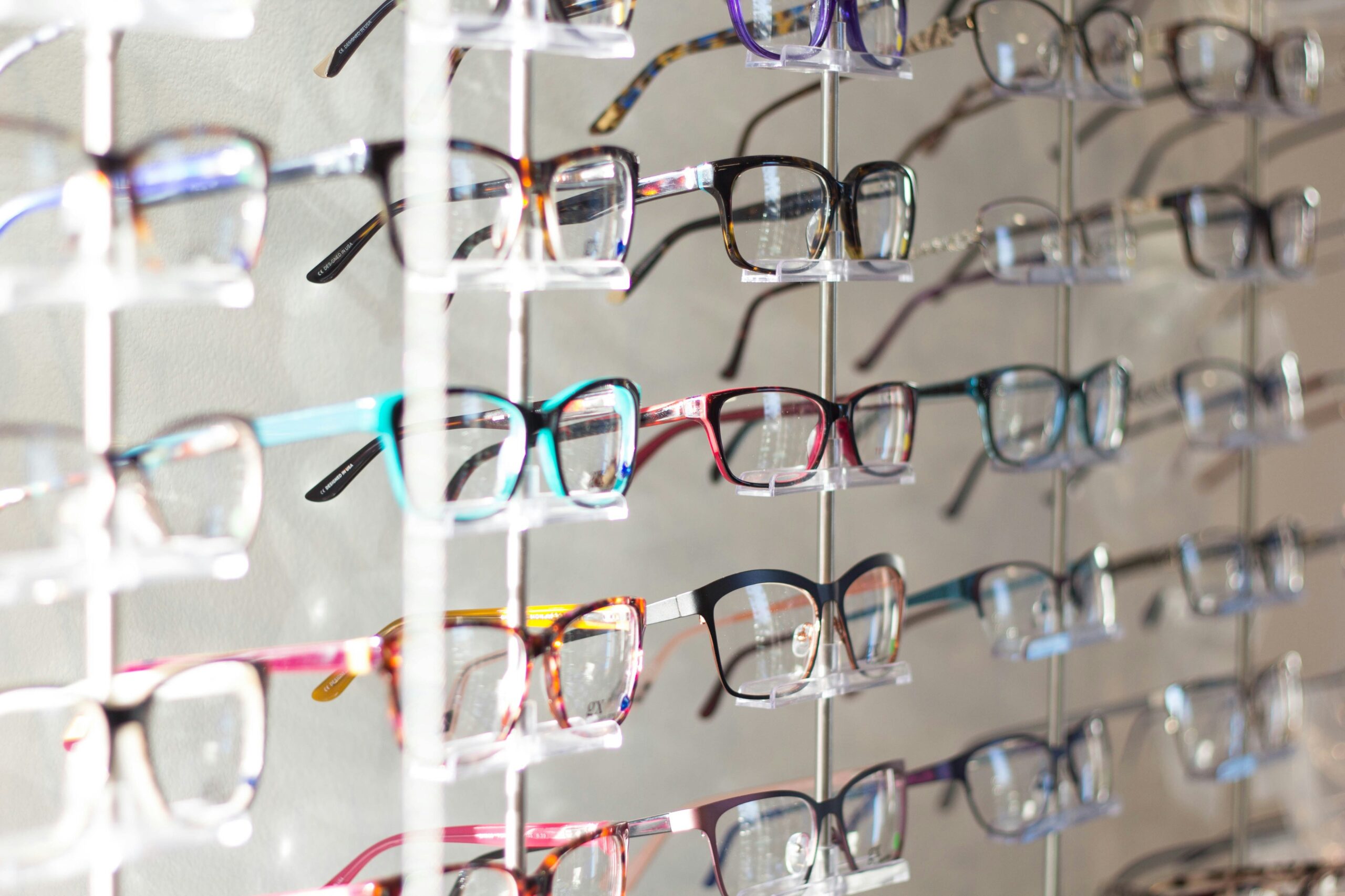
Eyeglasses have changed dramatically over the centuries. What began as a simple tool for improving vision has become an important part of personal style, identity, and fashion. From early vision aids made from polished materials to lightweight frames designed with modern technology, the history of eyeglasses reflects changes in science, craftsmanship, culture, and everyday life. Today, eyeglasses are not only used to see clearly but also to express personality and complement individual style.
The Earliest Ideas About Vision Correction
The story of eyeglasses begins long before modern frames existed. Ancient civilizations understood that certain materials could change the appearance of objects when viewed through them. Roman writer Pliny the Elder described the use of glass and other materials for visual purposes, while Roman emperor Nero was famously associated with using an emerald to view events. However, these early objects were not eyeglasses in the modern sense.
A major step forward came with the development of reading stones. During the Middle Ages, people used rounded pieces of clear material that could magnify letters when placed over text. These simple devices helped readers with poor vision and provided an important foundation for future optical technology.
The Birth of Wearable Eyeglasses
The first recognizable eyeglasses appeared in Europe around the late 13th century. Early designs were simple and usually consisted of two lenses connected by a bridge. They did not have arms that rested over the ears, so users had to balance them on the nose or hold them in place.
These early spectacles were mainly intended for people who had difficulty reading small print. The lenses were commonly made from glass or polished quartz, and the frames were crafted from materials such as metal, wood, or leather. Although uncomfortable compared with modern designs, these early eyeglasses represented an important breakthrough in vision correction.
Eyeglasses Become More Practical
Over the following centuries, eyeglass makers experimented with different shapes, materials, and methods of holding frames in place. In the 18th century, developments such as side pieces and improved nose supports made spectacles more practical for everyday use.
By the 19th century, eyeglasses were becoming increasingly common. Manufacturing improvements made lenses easier to produce, while better knowledge of optics allowed specialists to create more precise prescriptions. Eyeglasses also became available in a wider range of styles, giving wearers more choices beyond simple functional designs.
The Rise of Modern Eyewear
The 20th century transformed eyeglasses into both medical devices and fashion accessories. New materials, including lightweight plastics and improved metals, allowed designers to create frames in different colors, shapes, and sizes. Round, square, oval, and cat-eye styles became popular during different periods, often reflecting broader fashion trends.
Eyeglass frames also became closely connected with celebrities, artists, writers, and other public figures. A distinctive pair of glasses could become part of someone’s recognizable appearance. This helped change the public perception of eyeglasses from something worn only because of poor eyesight into an accessory that could communicate personality and confidence.
Technology Changes the Eyeglass Experience
Modern eyeglasses benefit from major advances in lens technology. Traditional glass lenses have largely been joined by lighter materials that can provide excellent clarity while reducing weight. Prescription lenses can now include features designed to improve comfort and durability, such as scratch-resistant coatings, anti-reflective treatments, and UV protection.
Progressive lenses have also made it easier for people with different vision needs to use one pair of glasses for multiple distances. Specialized lenses can adapt to changing light conditions, offering additional convenience for everyday activities.
Eyeglasses and Personal Fashion
Today, fashion plays a major role in the eyewear industry. People often choose frames based on face shape, clothing preferences, lifestyle, and personality. Bold oversized frames can create a dramatic appearance, while thin metal frames can offer a more understated look. Classic shapes continue to remain popular because they can work with many different styles.
Eyewear designers also experiment with colors, textures, transparent materials, and unusual frame shapes. As a result, choosing eyeglasses can feel similar to choosing jewelry, shoes, or other fashion accessories.
A Future Shaped by Style and Innovation
The evolution of eyeglasses shows how a practical invention can become an important part of everyday culture. What started as a basic solution for reading and vision problems has developed into an industry that combines optical science, advanced materials, craftsmanship, and fashion.
Future eyeglasses may become even lighter, stronger, and more personalized as technology continues to advance. Smart eyewear is already introducing features such as digital displays, cameras, audio functions, and connected technology. Even as these innovations develop, the basic purpose of eyeglasses remains unchanged: helping people see the world more clearly while giving them another way to express who they are.
From simple reading aids to fashionable modern frames, eyeglasses have traveled a remarkable path. Their history demonstrates how science and style can evolve together, turning an everyday necessity into a lasting symbol of innovation and personal expression.