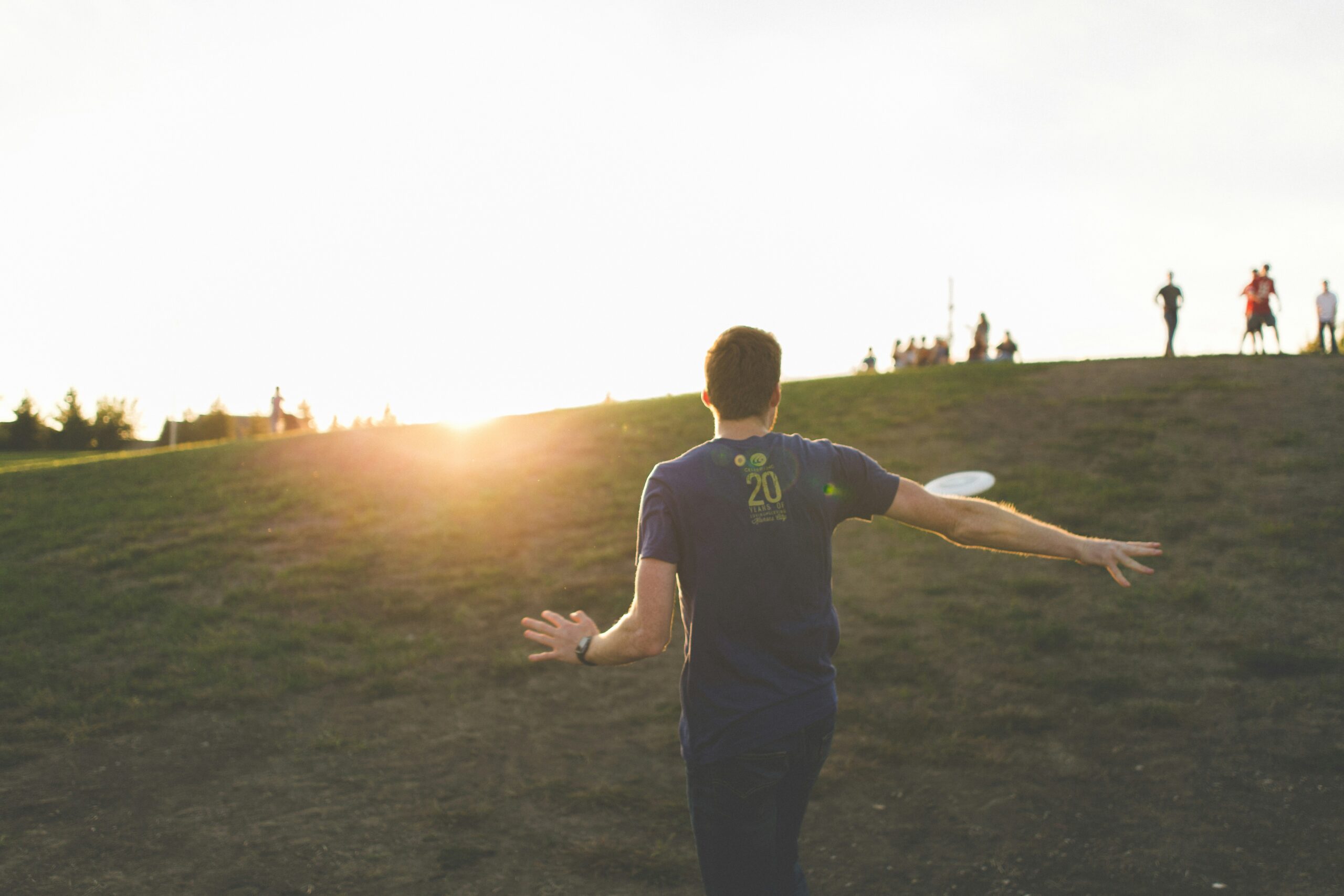
Disc golf offers an affordable, enjoyable way to spend more time outdoors while building coordination, focus, and strategy. Unlike many sports, beginners don’t need a large collection of equipment to start playing. However, the right beginner disc golf gear can make those first rounds easier and more enjoyable.
New players often assume they need dozens of discs and expensive accessories. In reality, a simple setup works much better while you learn the fundamentals. By starting with a few essential items, you can focus on throwing technique, course management, and accuracy instead of becoming overwhelmed by equipment choices. Therefore, understanding the essential gear for disc golf beginners can help you spend wisely and improve more naturally.
Start With Beginner-Friendly Disc Golf Discs
Discs are the most important part of your starter setup. Although experienced players may carry many different molds, beginners usually need only a few. A putter, midrange disc, and fairway driver can cover most situations during an early round.
Putters fly slowly and provide excellent control at shorter distances. Meanwhile, midrange discs balance distance and accuracy. They work well for approach shots and many drives. Fairway drivers can provide additional distance without becoming as difficult to control as high-speed distance drivers.
Beginners should generally choose lighter, more stable discs that feel comfortable in the hand. High-speed drivers may look exciting, but they often require more throwing power and technique. As a result, slower discs usually help new players develop cleaner form.
Choose a Comfortable Disc Golf Bag
Once you own several discs, carrying them comfortably becomes important. A small disc golf bag provides enough room for beginner discs while also holding water and a few accessories.
You don’t need a large tournament-style backpack right away. Instead, choose something lightweight that fits your current equipment. A shoulder bag or compact backpack can work perfectly during your first months of playing.
Additionally, organized storage makes it easier to select the right disc during a round. When every disc has a regular place, you spend less time searching and more time thinking about your next shot.
Wear Shoes With Reliable Traction
Disc golf courses can include grass, dirt, hills, rocks, roots, and wooded areas. Therefore, footwear plays an important role in both comfort and stability.
Athletic shoes with strong traction work well on many courses. Trail-running shoes can also provide additional grip when the terrain becomes uneven or wet. However, beginners should prioritize comfort because a typical round may involve plenty of walking.
Good footwear also creates a stable base while you throw. When your feet remain secure, you can focus on body movement and balance. Supportive shoes may also make longer rounds much more enjoyable.
Carry Water for Every Round
Hydration is one of the most practical pieces of essential disc golf gear. Even a casual round can involve significant walking, especially on larger courses.
Bring a reusable water bottle that fits comfortably inside your bag. In warm weather, you may need more water, especially on courses with little shade. Drinking regularly can help you stay focused throughout the round.
Also, carrying your own water keeps you from relying on fountains or nearby stores. A simple bottle takes up little space and can make a big difference during several hours outdoors.
Bring a Small Towel
A towel may seem unnecessary until a disc lands in wet grass, mud, or a shallow stream. Moisture can make discs slippery, which affects grip and throwing control.
Keep a small microfiber towel inside or attached to your disc golf bag. Before each throw, quickly dry the disc if necessary. This habit can lead to a cleaner release and more confidence.
A towel also helps during humid or rainy conditions when your hands become damp. Since consistent grip matters in disc golf, this inexpensive accessory deserves a permanent place in your starter kit.
Dress for the Course and Weather
Comfortable clothing can improve your experience, especially on longer courses. Choose lightweight clothes that allow your shoulders, hips, and legs to move freely.
Before leaving home, check the weather and prepare accordingly. For example, a light rain jacket can help during unpredictable conditions, while a hat may offer useful protection during sunny rounds.
Layers also work well during cooler seasons because temperatures can change while you play. Most importantly, avoid clothing that restricts your throwing motion. Disc golf requires rotation through the body, so freedom of movement matters.
Keep a Mini Marker Disc Available
Many new players eventually begin using a mini marker disc as they learn official disc golf rules. A mini marker helps you identify a thrown disc’s position before you take the next shot.
These markers are small, inexpensive, and easy to keep in a bag pocket. Although beginners playing casual rounds may not always need one, learning how to use a marker can prepare you for more organized competition.
As your experience grows, understanding proper lie placement and throwing rules becomes more important. Therefore, adding a mini marker to your disc golf beginner gear is a simple way to build good habits.
Protect Yourself From Outdoor Conditions
Because disc golf takes place outdoors, basic weather and sun protection can improve comfort. Sunscreen can help during long summer rounds, while insect repellent may prove valuable on wooded courses.
A hat and sunglasses can also make bright conditions easier to manage. However, make sure sunglasses fit securely enough to stay comfortable while throwing.
During colder months, lightweight gloves can keep your hands warm between shots. You may still want to remove the throwing glove before each attempt so you maintain a natural grip.
Consider a Disc Retriever Later
Beginners sometimes lose discs in ponds, thick vegetation, or difficult terrain. A disc retriever can help recover discs from places that would otherwise remain unreachable.
However, this accessory does not need to be your first purchase. Start by learning the courses you play most frequently. If water hazards show up regularly, a retriever may eventually save you money by preventing lost discs.
Additionally, always consider safety before trying to recover a disc. Avoid dangerous water, steep terrain, or other risky areas. Replacing a disc costs far less than risking an injury.
Avoid Buying Too Much Equipment Too Soon
One of the biggest beginner mistakes involves buying too many discs before understanding how different models fly. Extra equipment does not automatically improve performance.
Instead, learn how a small number of discs react to different throwing angles and power levels. Using the same discs repeatedly helps you recognize their flight patterns. As a result, you can make more confident choices each round.
As your technique develops, you can gradually add specialized discs. At that point, you will understand which gaps actually exist in your bag and which new equipment could improve your game.
Build Your Disc Golf Starter Kit Gradually
The best disc golf starter kit does not need to cost much. A few beginner-friendly discs, comfortable shoes, a small bag, water, and a towel can provide everything you need for your first rounds.
As you play more often, your preferences will become clearer. You may decide that you need additional discs, better storage, weather gear, or specialized accessories. However, you don’t need to buy everything right away.
Ultimately, essential gear for disc golf beginners should simplify the game, not complicate it. Start with equipment that supports comfort, control, and learning. Then practice consistently, explore different courses, and add new gear only when it serves a clear purpose. With a practical starter setup and steady practice, you can develop your skills while enjoying everything disc golf has to offer.