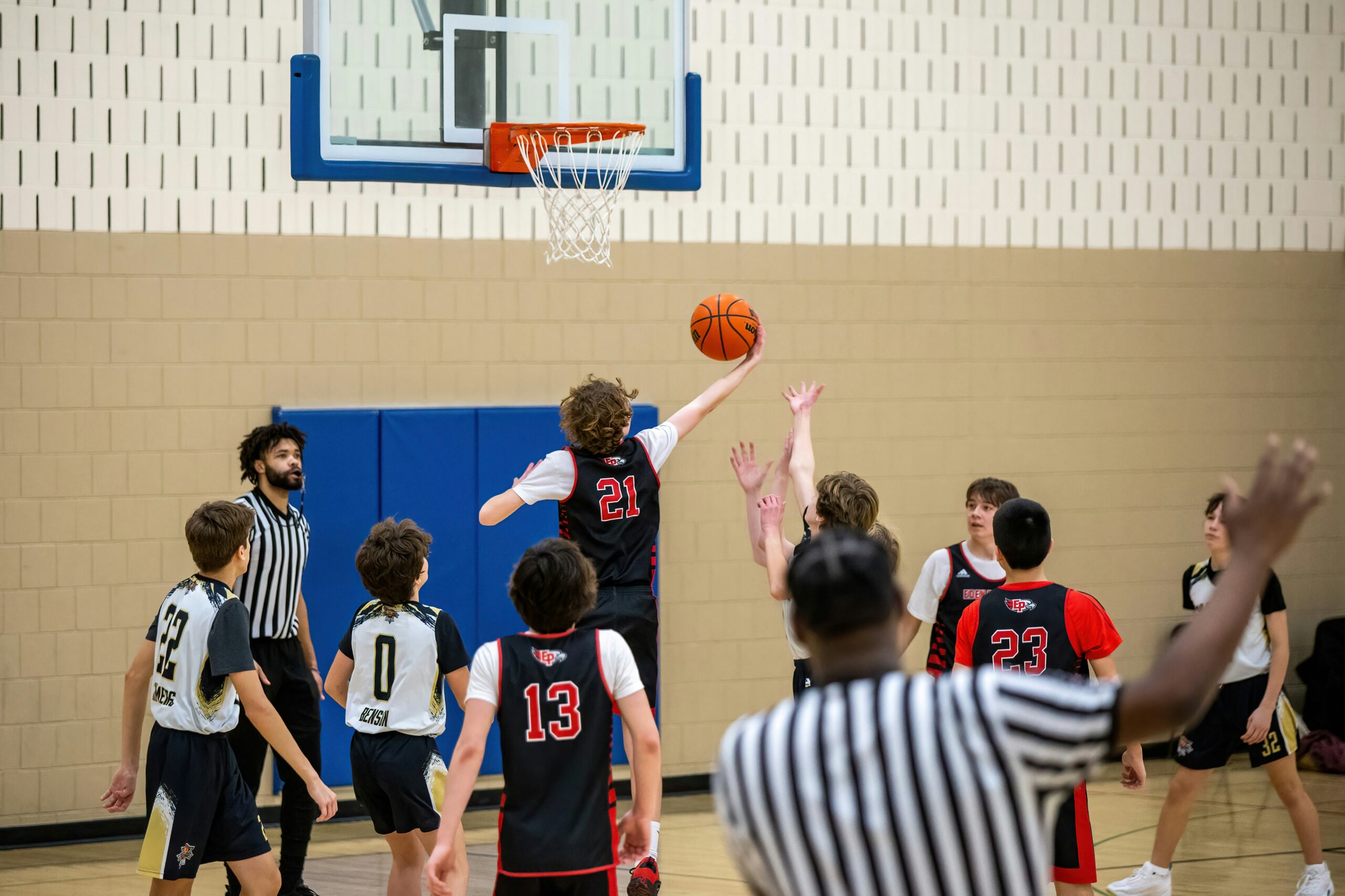
Church basketball offers more than a fun game after school, a weekend league, or a friendly tournament in the gym. It creates a space where players learn how to compete with energy while still honoring faith, community, and character. Because the game moves quickly, every possession reveals something about patience, humility, respect, and teamwork. A player can talk about good values before tipoff, yet the real lesson begins when the score gets close, and emotions rise.
For many young athletes, church basketball becomes one of the first places where they learn that winning matters, but character matters more. The court gives players a chance to practice self-control, support teammates, respect opponents, and listen to coaches. As a result, the lessons in sportsmanship from church basketball often stay with players long after the final buzzer.
Competition With A Higher Purpose
Healthy competition can sharpen discipline and confidence. However, church basketball reminds players that competition should never erase kindness. Players still hustle for loose balls, defend hard, and take smart shots, yet they also learn to value people above points.
This mindset changes the game’s tone. A player can try to win without mocking an opponent. A team can celebrate a great play without humiliating the other side. When athletes understand this balance, they develop a stronger kind of competitiveness. They want success, but they also care about how they pursue it.
Moreover, church basketball often connects the game to a larger purpose. Coaches, volunteers, and parents usually emphasize growth, fellowship, and service. Therefore, players begin to see basketball as a training ground for life, not just a scoreboard contest.
Respect Begins Before The Game Starts
Sportsmanship starts before anyone takes a shot. It appears in how players greet each other, how they listen during warmups, and how they respond to coaches. In church basketball, teams often open or close with prayer, encouragement, or a moment of reflection. These habits set a respectful tone.
Respect also shows up in small choices. Players shake hands, thank referees, and avoid trash talk. They learn that an opponent is not an enemy. Instead, the other team helps create the challenge that makes the game meaningful.
Because young athletes often copy what adults model, coaches play a major role in shaping young athletes’ behavior. When a coach speaks calmly to officials, players notice. When a parent cheers for effort rather than arguing every call, players notice that, too. Over time, these examples teach athletes how to act with maturity under pressure.
Teamwork Teaches Humility
Basketball naturally rewards teamwork. No player can defend every opponent, grab every rebound, and score every basket alone. Church basketball reinforces this truth by encouraging players to value every role on the team.
One player may score often, while another sets screens, passes well, or brings defensive energy. Although those contributions may not always appear in the box score, they help the team succeed. As players learn this lesson, they begin to understand humility. They realize that personal attention should never outweigh the group’s progress.
Additionally, teamwork teaches athletes how to celebrate others. A player who cheers from the bench shows maturity. A teammate who passes to someone with a better shot shows trust. These moments build unity and teach young people how to support others in school, work, family, and community life.
Losing Reveals Character
Winning feels good, but losing often teaches more. Church basketball gives players a safe place to experience disappointment and respond with grace. After a tough loss, athletes may feel frustrated, embarrassed, or angry. However, sportsmanship asks them to shake hands, thank their coach, and learn from the game.
This lesson matters because life includes setbacks. Not every test, job interview, friendship, or goal will end the way someone hopes. When players learn how to lose with dignity, they build emotional strength. They discover that one result does not define their worth.
Furthermore, losing can reveal areas for growth. A team may need better communication, stronger conditioning, or more focus. Instead of blaming officials or teammates, church basketball encourages athletes to reflect honestly and improve. That response turns defeat into development.
Winning With Grace Matters Too
Many people talk about losing well, yet winning also tests character. A team that wins easily may feel tempted to brag, laugh at mistakes, or run up the score. Church basketball challenges players to handle success with humility.
Winning with grace means celebrating without disrespect. It means recognizing the other team’s effort. It also means remembering that today’s victory does not make anyone superior. When players learn this, they become more grounded and more likable leaders.
In addition, gracious winners help create a healthier league culture. Opponents feel respected, referees feel appreciated, and younger players see a positive example. Consequently, the entire community benefits when teams treat success as a responsibility rather than a license for arrogance.
Referees Teach Patience And Self-Control
Every basketball game includes calls that players dislike. A referee may miss contact, call a close foul, or stop play at a frustrating moment. These situations give athletes a practical lesson in self-control.
Church basketball does not require players to pretend frustration never exists. Instead, it teaches them how to manage it. A player can take a breath, listen to the coach, and move on to the next play. This response builds patience and focus.
Self-control also protects the team. Arguing with officials can lead to technical fouls, lost momentum, and damaged trust. More importantly, it can damage a player’s witness and reputation. When athletes choose discipline over anger, they show strength that goes beyond athletic ability.
Encouragement Builds Confidence
A church basketball team thrives when encouragement becomes normal. Positive words can lift a teammate after a missed layup, a turnover, or a defensive mistake. Instead of creating fear, encouragement creates confidence.
Young players especially need this kind of support. They may worry about disappointing parents, coaches, or friends. When teammates respond with patience, they help each other keep playing with courage. As a result, the team grows stronger together.
Encouragement also teaches communication skills. Players learn how to speak in ways that help rather than hurt. They discover that tone matters. They also learn that leadership often sounds like, “You’ve got this,” “Next play,” or “Great hustle.” Those simple words can change the emotional direction of a game.
Coaches Shape More Than Skills
A church basketball coach teaches shooting, passing, spacing, and defense, but the role reaches much deeper. Coaches shape how players view effort, fairness, accountability, and respect. Because of that influence, coaching in a church setting carries a special responsibility.
A strong coach holds players to high standards while still treating them with care. They correct mistakes without shaming athletes. They reward hustle, honesty, and teamwork. They also remind players that the goal is not only to become better basketball players, but also better people.
When coaches connect skill development with character development, players begin to understand the bigger lesson. They learn that practice habits reflect discipline. They learn that listening reflects humility. They learn that showing up for the team reflects commitment.
Faith Gives Sportsmanship Deeper Roots
Church basketball often connects sportsmanship to faith. Players hear reminders to serve others, show kindness, practice forgiveness, and honor God through their actions. These values give sportsmanship a deeper foundation.
Instead of behaving well only to avoid penalties, players learn to act with integrity because it reflects who they want to become. They begin to see the court as a place where faith becomes visible. Every pass, apology, handshake, and act of encouragement can reflect something meaningful.
This connection also helps players understand forgiveness. Mistakes happen in every game. A teammate may miss a pass. An opponent may commit a hard foul. A referee may make a questionable call. Faith encourages players to let go of resentment and continue with grace.
Lessons That Last Beyond The Court
The lessons in sportsmanship from church basketball do not end when players leave the gym. They carry into classrooms, workplaces, friendships, and families. A young person who learns to respect opponents can also learn to respect classmates. A player who learns self-control during a close game can use that same discipline during conflict. A teammate who learns humility can become a better friend, employee, leader, and community member.
Church basketball works because it blends movement, competition, mentorship, and values. It gives athletes real moments to practice character, not just hear about it. Therefore, every game becomes a chance to grow.
The scoreboard may record who won, but sportsmanship records something deeper. It shows who played with respect, who encouraged others, who stayed humble, and who chose character under pressure. That is why church basketball remains such a powerful setting for teaching life lessons. It proves that a simple game can shape stronger athletes, better teammates, and more thoughtful people.