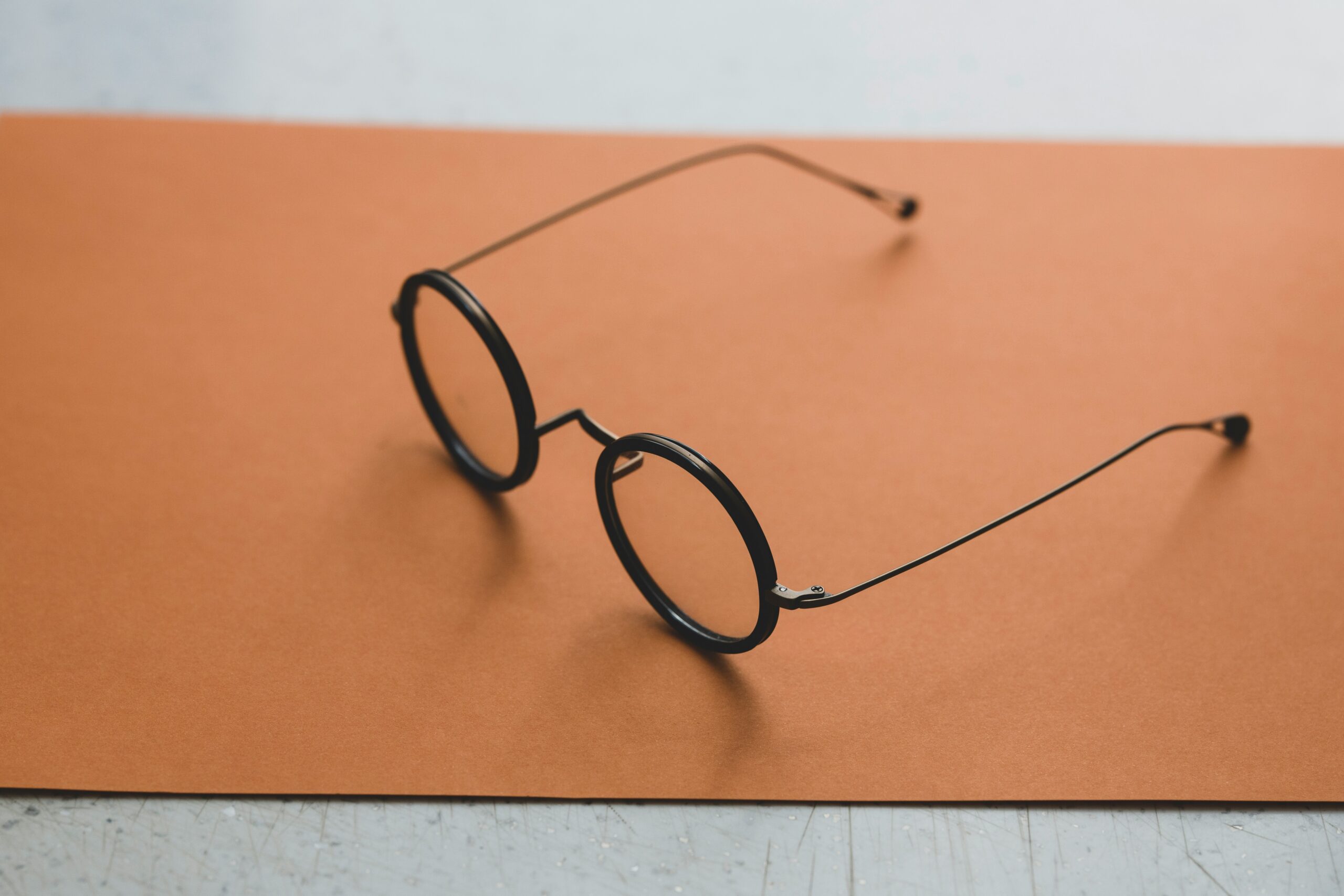
People have searched for ways to improve vision for thousands of years. In ancient civilizations, scholars and artisans noticed that curved glass could enlarge objects. As a result, they began experimenting with polished crystals and glass spheres. Although these early tools did not resemble modern eyeglasses, they laid the foundation for future inventions.
During the Roman Empire, philosophers explored the science of light and magnification. For example, the Roman writer Seneca reportedly used a glass globe filled with water to enlarge text. Meanwhile, artisans in different regions shaped transparent materials to help aging readers. These simple tools improved daily life, even though they lacked comfort and portability.
In the Middle Ages, reading became more common across Europe. Therefore, the demand for vision aids increased rapidly. Monks, scholars, and writers often struggled with fading eyesight as they copied manuscripts by hand. Consequently, inventors sought practical solutions to assist close reading.
The Birth of Eyeglasses in Europe
Eyeglasses first appeared in Italy during the late thirteenth century. Historians believe that skilled glassmakers in Venice and nearby cities developed the first wearable lenses. These early eyeglasses featured two magnifying lenses connected by a simple frame. Users balanced them on the nose because temples had not yet been invented.
At first, eyeglasses were mainly worn by educated and wealthy individuals. Since books remained expensive, only scholars and religious leaders used them regularly. However, the invention quickly spread across Europe because people recognized its value. As trade expanded, artisans improved both the lenses and the frames.
Artists of the Renaissance often depicted eyeglasses in their paintings. Therefore, eyewear gradually became a symbol of intelligence and wisdom. In addition, doctors and scientists began studying the human eye more carefully. Their discoveries helped lens makers create stronger and more accurate designs.
Scientific Progress Changed Eyewear
The seventeenth and eighteenth centuries brought major scientific progress. During this time, researchers gained a deeper understanding of optics and vision. As a result, eyeglasses became more effective and comfortable.
Benjamin Franklin introduced bifocal lenses in the late eighteenth century. He wanted a convenient solution for both reading and distance vision. Therefore, he combined two lens types into one frame. His invention changed eyewear forever by solving a common problem for aging adults.
Meanwhile, manufacturers experimented with different materials. Metal frames became more durable, while lighter designs improved comfort. In addition, inventors added sidepieces that rested over the ears. This simple improvement helped keep the glasses secure during movement.
Industrial growth also played an important role. Factories produced eyeglasses faster and at lower costs. Consequently, middle-class families could finally afford them. Eyeglasses no longer belonged only to scholars and elites. Instead, they became useful tools for workers, merchants, and students.
Eyeglasses Enter Everyday Fashion
During the nineteenth century, eyeglasses moved beyond medical necessity. People started paying attention to style as well as function. Therefore, manufacturers created frames with decorative details and elegant shapes.
Fashion trends influenced eyewear design in many ways. Women often chose delicate frames with fine metalwork, while men preferred bold and sturdy styles. In addition, new materials such as tortoiseshell and gold added luxury to eyewear collections.
At the same time, sunglasses gained popularity. Although early tinted lenses protected the eyes from sunlight, movie stars later transformed sunglasses into fashion icons. Hollywood celebrities wore dramatic frames both on and off screen. As a result, eyewear became closely connected to glamour and personal identity.
Advertising also influenced public opinion. Companies promoted eyeglasses as attractive accessories instead of medical devices. Consequently, people began viewing eyewear with greater confidence and excitement.
Technological Innovation Reshaped the Industry
The twentieth century introduced rapid technological change. Scientists developed lightweight plastics that replaced many heavy materials. Therefore, eyeglasses became more comfortable for daily wear.
Lens technology improved dramatically as well. Manufacturers created anti-reflective coatings, scratch-resistant surfaces, and ultraviolet protection. These advancements increased both durability and eye safety. In addition, contact lenses offered another option for vision correction. However, eyeglasses continued thriving because they combined convenience with style.
During the digital age, people spent more time looking at screens. Consequently, eyewear companies designed lenses that reduced digital eye strain. Blue-light-filtering lenses gained popularity among office workers, students, and gamers. Modern eyewear now supports a wide range of lifestyles and visual needs.
Customization also transformed the industry. Consumers can now choose from countless colors, materials, and frame shapes. Moreover, online shopping allows people to compare styles from home. Virtual fitting technology even lets customers preview glasses before purchasing.
Eyeglasses as a Cultural Statement
Today, eyeglasses represent far more than vision correction. They often express personality, creativity, and confidence. Some people choose bold frames to attract attention, while others prefer minimalist designs for a professional appearance. In either case, eyewear reflects individual identity.
Fashion designers regularly feature eyeglasses in runway collections. In addition, celebrities and influencers shape modern trends through social media and entertainment. Oversized frames, vintage designs, and colorful lenses frequently return to popularity because fashion constantly evolves.
Cultural attitudes toward eyeglasses have also changed significantly. In earlier centuries, some people viewed glasses as signs of weakness or aging. However, modern society often associates eyewear with intelligence, sophistication, and originality. As a result, many individuals wear nonprescription glasses purely for fashion purposes.
Eyeglasses also support inclusivity and accessibility. Designers now create adaptive styles for different face shapes, medical needs, and lifestyles. Therefore, more people can find eyewear that feels both functional and stylish.
The Future of Eyewear
The future of eyeglasses looks exciting and innovative. Technology companies continue developing smart glasses with advanced digital features. Some models already include voice controls, navigation tools, and augmented reality displays. Consequently, eyewear may soon combine communication, entertainment, and health monitoring in a single device.
Sustainability has also become an important focus. Many brands now use recycled materials and eco-friendly packaging. Consumers increasingly support companies that reduce environmental impact. Therefore, the eyewear industry continues adapting to changing social values.
At the same time, traditional craftsmanship still matters. Skilled designers and artisans continue creating handmade frames with unique character. This balance between technology and artistry keeps eyewear both practical and personal.
From ancient magnifying stones to modern smart glasses, eyeglasses have traveled through centuries of transformation. They have improved vision, supported learning, and shaped fashion trends across cultures. Although styles and materials continue changing, the purpose remains clear. Eyeglasses help people see the world more clearly while expressing who they are.