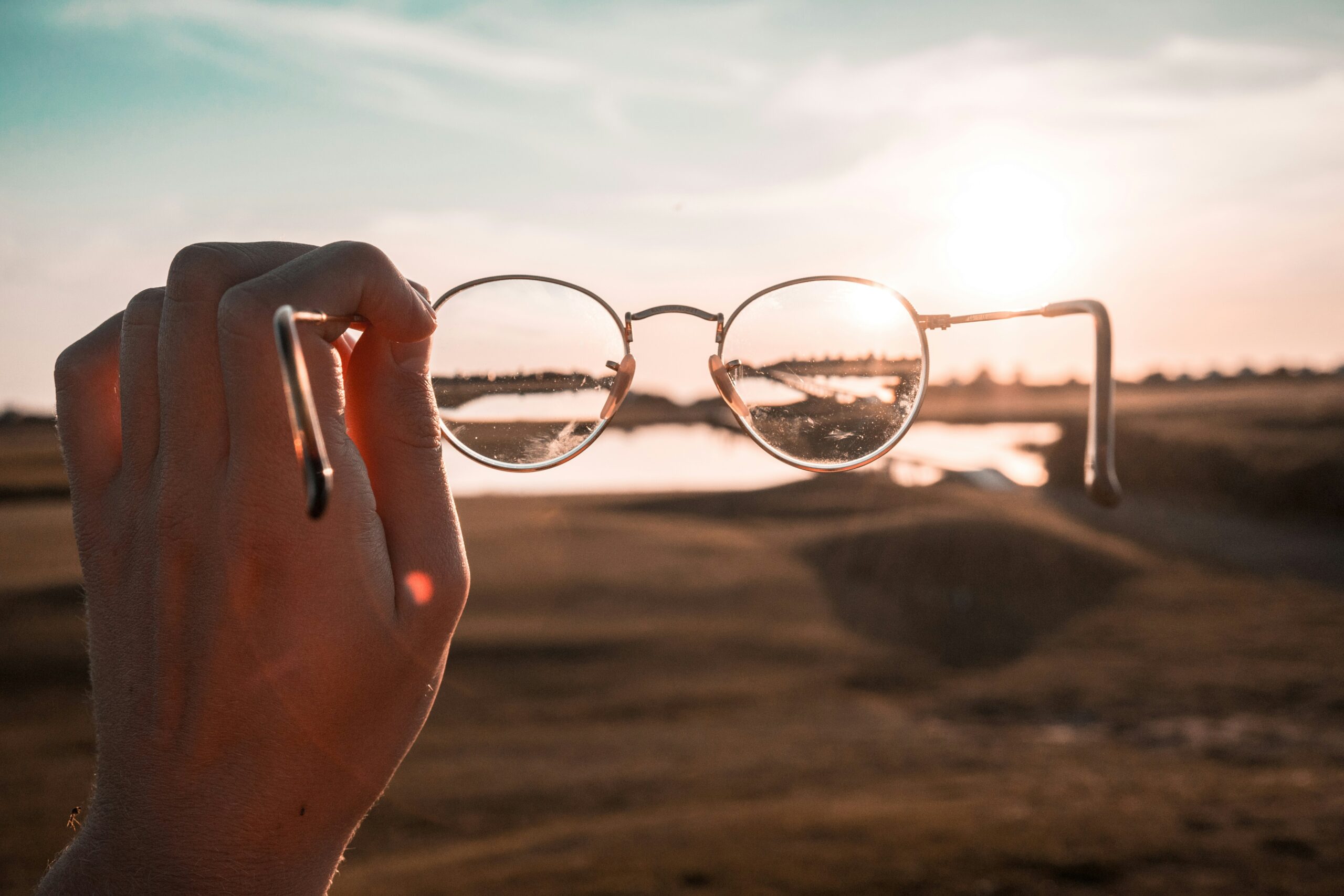
Eyeglasses have a fascinating history that stretches back over a thousand years. The earliest visual aids were simple magnifying glasses used by scholars and monks in ancient times. These devices helped people read small scripts, especially in dimly lit spaces. The concept of enhancing vision began with the understanding that convex lenses could refract light, making objects appear larger.
During the 13th century, eyeglasses as we recognize them began to emerge in Italy. Artisans crafted lenses and mounted them in frames that could rest on the nose. Scholars, monks, and members of the educated elite primarily used these early eyeglasses. While rudimentary, they represented a significant technological advancement, as people could now correct their vision and continue working later into the day.
Development Through the Renaissance
The Renaissance brought more experimentation and refinement to eyeglasses. Artisans began improving lens quality, making them more precise and comfortable for extended use. Innovations such as sidepieces and temples, which helped glasses stay on the face without being held in place, appeared during this period. These changes made eyeglasses more practical for daily wear.
At the same time, eyeglasses became symbols of intelligence and status. Artists and writers were frequently depicted wearing glasses, reinforcing the connection between vision correction and scholarly pursuits. This social recognition encouraged further demand and innovation, as more people sought both functionality and elegance in their eyewear.
The Birth of Prescription Lenses
In the 18th century, eyeglasses evolved beyond general magnification to include prescription lenses. Opticians learned to measure vision more accurately and create lenses that corrected specific problems, such as nearsightedness or farsightedness. This development enabled individuals to see clearly for the first time, improving productivity and quality of life.
The use of prescription lenses spread across Europe, and eyeglasses gradually became more accessible to the general population. Improved lens-making techniques and standardized measurements ensured that people could rely on eyeglasses for precise vision correction. With this advancement, eyeglasses moved from being a rare luxury to an essential personal item for those with visual impairments.
Industrial Revolution and Mass Production
The Industrial Revolution accelerated the evolution of eyeglasses by introducing mass production. Factories could produce lenses and frames more efficiently, making eyeglasses more affordable and widely available. During this period, new materials such as steel and nickel allowed for sturdier frames, while optical glass became more uniform and reliable.
Mass production also encouraged experimentation with style and design. Eyeglasses became more than a medical necessity; they began to reflect personal taste and fashion. People began selecting frames based on color, shape, and ornamentation. This period laid the foundation for eyewear as both a functional tool and a fashion statement, a trend that continues today.
20th Century Innovations
The 20th century brought revolutionary changes to both the design and functionality of eyeglasses. Lightweight materials such as plastic, aluminum, and titanium transformed how frames were made. Adjustable nose pads and flexible hinges improved comfort, allowing people to wear glasses for longer periods without discomfort.
During this era, eyeglasses also became closely tied to popular culture. Celebrities, actors, and public figures influenced trends, making certain styles iconic. Round frames, cat-eye designs, and aviator shapes each rose to prominence at different times, showing how fashion and vision correction could intersect. Eyeglasses became an essential accessory, reflecting individuality and personality while providing clear vision.
Modern Technology and Lenses
Advances in lens technology have changed how we experience eyewear in the modern era. Anti-reflective coatings, scratch,resistant surfaces, and blue-light filters enhance both vision and comfort. Progressive lenses allow people with multiple vision issues to see clearly at different distances without changing glasses. These innovations demonstrate how technology continues to improve the functionality of eyeglasses.
Digital design and 3D printing have also influenced frame production, allowing for highly customizable styles and precise measurements. People can now select frames that perfectly fit their face shape, color preferences, and lifestyle needs. Technology has bridged the gap between practicality and fashion, ensuring that modern eyeglasses provide both optimal vision correction and personal expression.
Eyeglasses as a Fashion Statement
In recent decades, eyeglasses have firmly established themselves as a key fashion accessory. Designers and brands create collections that rival traditional jewelry and apparel. Frames are chosen not only for their functionality but also for their aesthetic appeal, complementing personal style, clothing, and even professional identity.
Eyeglasses also play a role in self-expression. Bold colors, unique shapes, and artistic patterns allow wearers to showcase individuality. Social media has amplified this trend, with influencers and celebrities highlighting eyewear as a statement piece. Modern eyeglasses combine utility and style, proving that vision correction can be both essential and fashionable.
Global Influence and Cultural Significance
Eyeglasses have become a global cultural symbol. In some societies, they indicate intelligence and professionalism, while in others, they reflect fashion-forward thinking. Eyewear accessibility has grown worldwide, and styles now reflect international trends, blending tradition with innovation.
Cultural significance also extends to media and entertainment. Characters in movies, television, and literature often wear eyeglasses to convey personality traits, expertise, or sophistication. This representation reinforces eyewear’s role beyond function, integrating it into collective perceptions and cultural narratives about knowledge, style, and identity.
The Future of Eyewear
Looking ahead, eyeglasses continue to evolve with technological and cultural advancements. Smart glasses, augmented reality, and integrated digital displays suggest a future where eyewear does more than correct vision. These devices have the potential to enhance daily life by providing real-time information, navigation, and connectivity, blending fashion, function, and technology.
As materials, lenses, and digital integration improve, eyeglasses will remain a staple in both healthcare and fashion. The combination of advanced technology and individual style ensures that eyewear will continue to reflect personal identity while meeting evolving vision needs. The evolution of eyeglasses is a testament to human innovation, blending utility, artistry, and creativity across centuries.