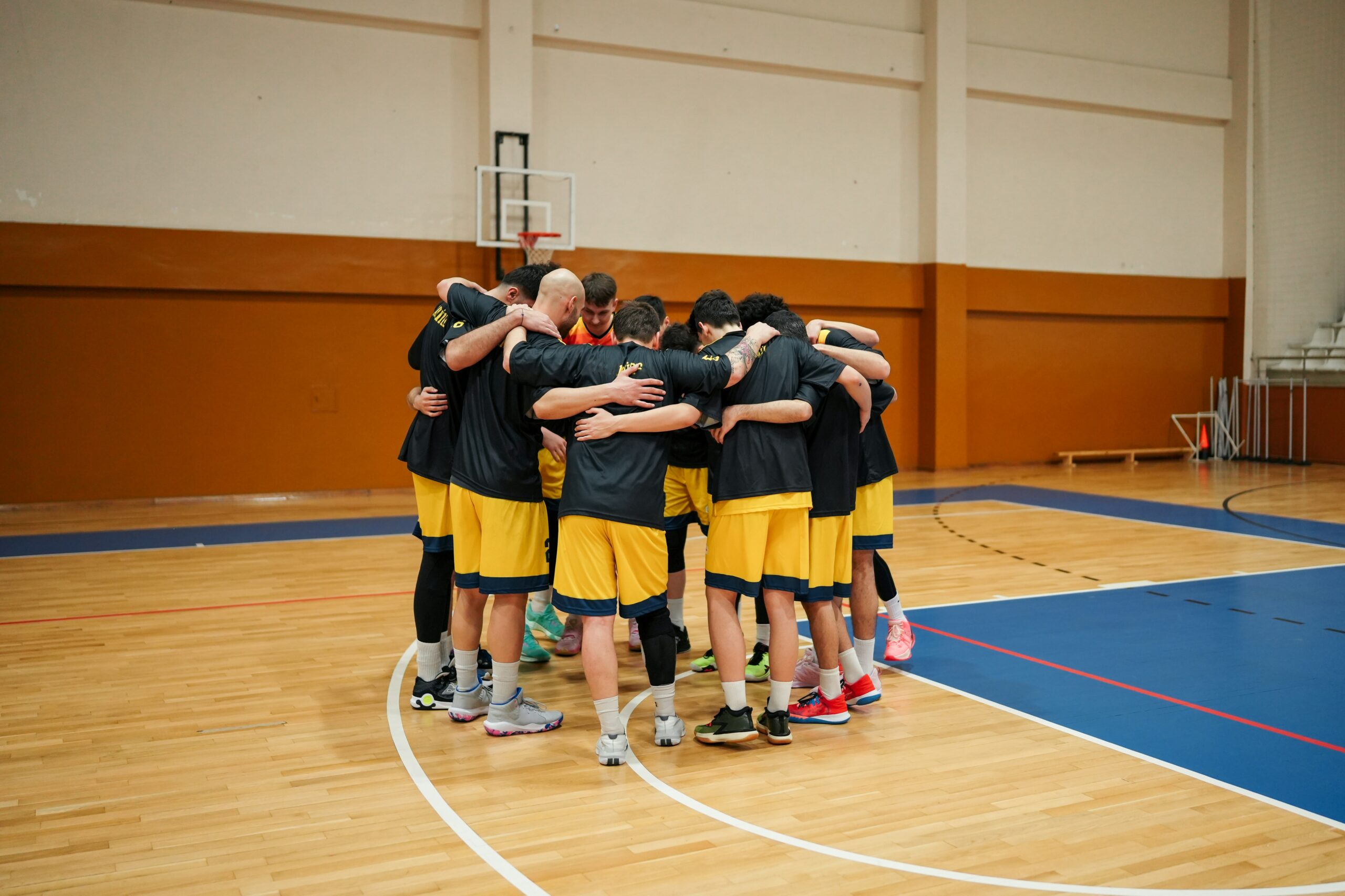
Church basketball lessons shape young athletes in powerful ways. Players learn how to move as one unit, support each other, and show respect during every game. While the score matters, strong values matter more. Because of that, church leagues often create a healthy space where athletes grow in faith and character.
Many young players face pressure at school, online, and in sports. However, church basketball lessons help them slow down and focus on what truly matters. Coaches encourage kindness, patience, honesty, and discipline. As a result, players learn how to handle success and failure with grace.
Basketball also teaches life skills quickly. Players must trust teammates, communicate clearly, and stay calm during stressful moments. At the same time, they must respect coaches, referees, and opponents. These lessons stay with them long after the season ends.
Teamwork Creates Stronger Players and Stronger Friendships
Teamwork stands at the center of every successful basketball team. One player cannot win a game alone. Instead, athletes must pass the ball, defend each other, and work toward shared goals. Through church basketball lessons, players discover the value of unity.
Many athletes enter a season focused on personal success. Yet they soon learn that selfish play hurts the team. Because coaches stress cooperation, players begin to celebrate each other’s victories. They cheer from the bench, encourage struggling teammates, and stay connected during difficult games.
In addition, teamwork builds trust. When players trust each other, they play with more confidence. They stop worrying about mistakes and start focusing on improvement. This mindset creates stronger friendships both on and off the court.
Church basketball lessons also teach players how to solve problems together. During close games, athletes must communicate quickly and clearly. Therefore, they learn patience and understanding. These habits help them at school, at home, and later in life.
Respect Changes the Way Athletes Compete
Respect shapes the culture of a church basketball team. Without respect, even talented teams struggle. For that reason, coaches often discuss attitude before strategy.
Players learn to respect authority during practices and games. They listen to coaches, follow instructions, and accept correction. Although they may sometimes feel frustrated, they learn to respond with maturity. This lesson prepares them for future challenges in the workplace and in relationships.
Church basketball lessons also teach respect for opponents. Athletes compete hard, yet they still show kindness before and after games. They shake hands, offer encouragement, and avoid trash talk. Because of this approach, competition becomes healthy rather than hostile.
Respect for teammates matters just as much. Players learn that words carry power. A negative comment can hurt confidence, while encouragement can inspire growth. Therefore, coaches often promote positive communication during every practice.
Furthermore, athletes learn self-respect. They begin to value discipline, preparation, and effort. Instead of cutting corners, they push themselves to improve. This mindset builds confidence and personal responsibility.
Faith Gives Basketball a Greater Purpose
Church basketball lessons connect sports with spiritual growth. While players practice skills and conditioning, they also hear messages about faith, service, and character. This balance gives basketball a deeper purpose.
Many coaches open practices with prayer or short devotionals. These moments remind players that success means more than winning games. Instead, true success includes integrity, compassion, and humility.
Faith also helps athletes handle pressure. Some players struggle after losses or poor performances. However, church basketball lessons teach them that their value does not depend on a scoreboard. As a result, they learn resilience and emotional strength.
In addition, faith encourages service. Teams often support community projects, help local families, or volunteer together. Through these experiences, players discover the joy of helping others. They realize leadership means serving people, not controlling them.
Because of this focus, athletes often develop a healthier view of competition. They still work hard and play to win. Yet they also understand that character matters most.
Coaches Influence Young Athletes Every Day
Coaches play a major role in church basketball lessons. Young athletes watch how leaders speak, react, and treat others. Therefore, coaches must model teamwork and respect in every situation.
A strong coach encourages growth instead of fear. Rather than yelling constantly, good leaders teach with patience and clarity. They correct mistakes while still showing support. Because of this approach, players feel safe enough to improve.
Great coaches also build accountability. They expect athletes to arrive on time, practice hard, and support teammates. At the same time, they treat players fairly and consistently. This balance creates trust within the team.
Church basketball lessons often produce mentors rather than just instructors. Many coaches guide athletes through personal struggles, school pressure, and family challenges. Their influence can shape a young person for years.
Moreover, coaches teach athletes how to lead. Team captains learn responsibility, communication, and humility. Younger players then follow those examples. As leadership spreads throughout the team, the entire group becomes stronger.
Life Lessons Continue Beyond the Final Buzzer
The season eventually ends, yet the lessons remain. Church basketball lessons prepare young athletes for real life in meaningful ways. Teamwork helps them succeed in school, careers, and relationships. Respect improves communication and builds trust with others.
Former players often remember the life lessons more than the final scores. They remember teammates who encouraged them. They remember coaches who believed in them. Most importantly, they remember how faith guided their actions during difficult moments.
These experiences also create confidence. Athletes learn how to handle pressure, recover from mistakes, and keep moving forward. Because of this growth, they become more prepared for future challenges.
Church basketball lessons continue to impact families and communities. Players bring positive attitudes home. They encourage friends, help classmates, and support younger athletes. In time, they become role models for others.
Sports can teach many things. However, church basketball lessons offer something deeper. They build teamwork, strengthen respect, and encourage faith-centered growth. While players improve their jump shots and defense, they also develop character that lasts for life.