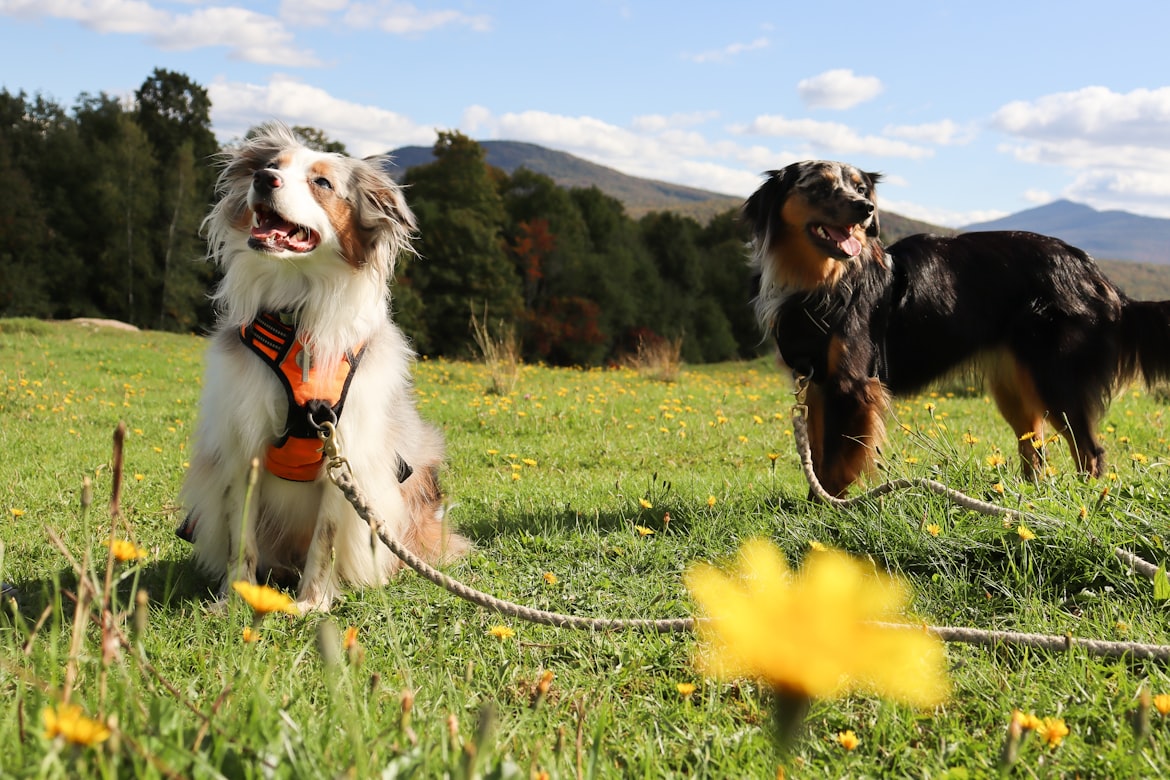
Taking your dog on longer outdoor adventures can be a rewarding experience for both of you. However, many dogs need time and preparation before they can comfortably handle extended trails. Just like people, dogs build stamina gradually. With the right approach, your furry friend can become a confident hiking partner who enjoys spending hours outdoors.
Whether you have a young dog with plenty of energy or an older companion who needs conditioning, proper preparation matters. Developing canine trail fitness takes patience, consistency, and attention to your dog’s physical needs. As a result, your dog will stay safer, healthier, and happier during outdoor excursions.
Understand Your Pet’s Physical Abilities
Before increasing activity levels, take time to evaluate your dog’s current condition. Different breeds have different endurance levels. For example, working breeds often have greater stamina than smaller companion breeds. Age, weight, and overall health also play major roles.
Additionally, scheduling a veterinary checkup can help identify any issues that may affect performance. Joint problems, heart conditions, or excess weight can limit a dog’s ability to handle longer distances. Once you know your dog’s capabilities, you can create a realistic training plan that supports gradual progress.
Increase Distance Through Consistent Movement
A strong foundation starts with regular walks. Instead of jumping directly into long adventures, slowly increase the duration of daily outings. This gradual approach helps muscles, joints, and paws adapt to greater demands.
Furthermore, consistency is more important than occasional intense exercise. Walking several times each week creates steady improvement. As your dog becomes more comfortable, extend each session by a few minutes. Over time, those extra minutes add up and create meaningful endurance gains without overwhelming your pet.
Strengthen Muscles on Varied Terrain
Flat sidewalks are useful for basic conditioning, but varied terrain challenges the body in new ways. Grass, dirt paths, gentle hills, and uneven surfaces help strengthen stabilizing muscles that support longer outdoor activities.
Because trails often include changing elevations, introducing small hills can be especially beneficial. Start with gentle slopes and monitor your dog’s energy level afterward. As strength improves, your dog will develop better balance and confidence while navigating more demanding environments.
Prepare for Carrying Trail Gear
As experience grows, some dogs can safely carry lightweight gear in a properly fitted backpack. However, introducing additional weight requires patience and caution.
Start by allowing your dog to wear an empty pack during short walks. Once your pet feels comfortable, gradually add small amounts of weight. During this stage, monitor posture and movement carefully. Building your dog’s outdoor stamina while carrying gear helps prepare your companion for more advanced adventures without causing unnecessary strain.
Teach Essential Outdoor Commands
Reliable obedience becomes increasingly important during extended adventures. A dog that responds well to commands is easier to manage when distractions appear along the trail.
Practice commands such as come, stay, leave it, and heel during regular walks. Then reinforce these skills in new environments. Consequently, your dog learns to focus despite wildlife, unfamiliar people, or other dogs. Strong communication also enhances safety when unexpected situations occur outdoors.
Focus on Paw Protection and Recovery
Many owners overlook paw conditioning, yet healthy paws are essential for comfortable movement. Rough surfaces, rocks, and long distances can place significant stress on sensitive paw pads.
Gradually exposing your dog to different surfaces helps toughen the pads naturally. At the same time, inspect paws after every outing for cuts, cracks, or irritation. Applying pet-safe paw balm can support recovery. Therefore, your dog remains comfortable and ready for future adventures.
Build Hydration and Rest Habits
Endurance depends on more than physical conditioning. Proper hydration and recovery are equally important. Dogs can become tired or overheated much faster than many owners realize.
Bring fresh water during every training session and encourage regular drinking breaks. Likewise, teach your dog to rest calmly when needed. These habits become especially valuable during warm weather or longer excursions. A well-hydrated dog maintains better energy levels and recovers more effectively after exercise.
Create Positive Experiences on Every Excursion
Training for longer adventures should always remain enjoyable. Positive experiences build enthusiasm and confidence, which ultimately contribute to long-term success. Reward your dog with praise, treats, and opportunities to explore throughout the training process.
Including variety in your outings can also prevent boredom. Different environments expose your dog to new sights, sounds, and smells while continuing to improve endurance. As a result, each adventure becomes an opportunity for both physical and mental enrichment. The development of backcountry pet conditioning often happens most effectively when training feels fun rather than demanding.
Remember that progress takes time. Some dogs may adapt quickly, while others require a slower pace. By respecting your dog’s individual needs and gradually increasing challenges, you create a foundation for many enjoyable outdoor journeys together. With patience, preparation, and consistency, your four-legged companion can develop the strength, confidence, and stamina needed to explore longer trails safely and comfortably.