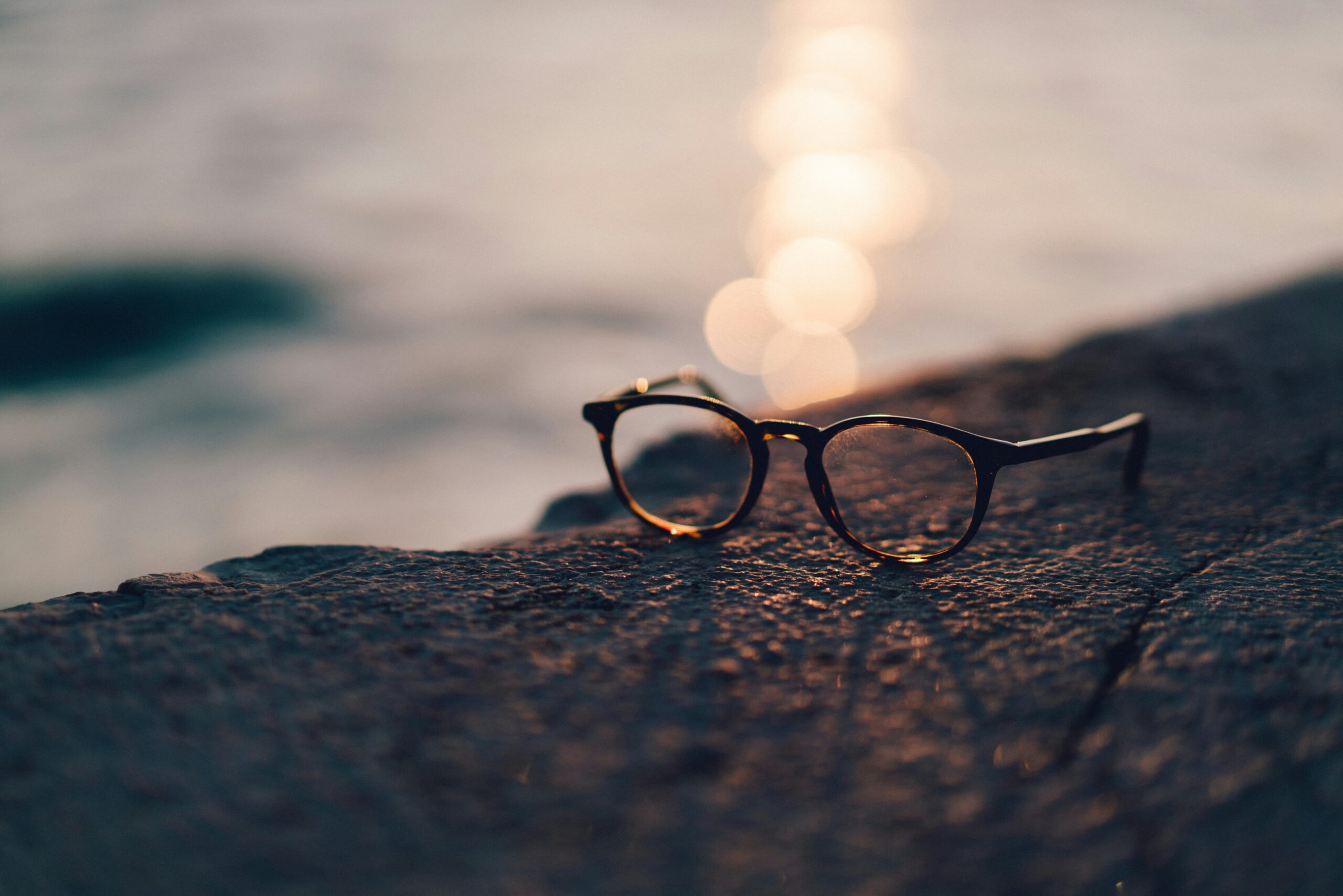
Eyeglasses are common today, but their story is long and full of change. People now use them to read, drive, work, and express style. Some frames look simple. Others stand out as bold fashion pieces. Yet the evolution of eyeglasses began with a much more basic goal. People wanted to see better.
The evolution of eyeglasses shows how human need, science, craft, and fashion can grow together. What started as a small vision aid became a daily tool for millions of people. Over time, eyeglasses moved from rare objects to personal items that match face shape, lifestyle, and taste.
Early Ideas About Vision
Long before modern eyeglasses existed, people tried to understand how sight worked. Ancient thinkers studied light, glass, and the human eye. They did not have the tools we use today, but they made important observations.
Some early cultures used clear stones or glass to make objects look larger. These simple tools were not eyeglasses, but they were early steps toward vision support. People learned that curved glass could bend light. This discovery helped shape the future of lenses.
The evolution of eyeglasses began with this simple idea: if glass could change how light entered the eye, it could help people see more clearly.
Reading Stones and the First Lenses
By the Middle Ages, reading became more important in daily life for scholars, monks, and merchants. Books were copied by hand, and reading small text could be difficult. Older adults often struggled most because near vision becomes weaker with age.
Reading stones helped solve this problem. These were rounded pieces of glass placed over text. They made letters look larger. A person did not wear them on the face. Instead, the stone rested on the page.
Reading stones were simple, but they were a major step in the evolution of eyeglasses. They showed that shaped glass could make reading easier. This helped people think about lenses in a more useful way.
The Birth of Wearable Eyeglasses
The first wearable eyeglasses appeared in Europe during the late 1200s. They were made by hand and often had two lenses joined together. These early frames did not have arms that rested on the ears. A person had to hold them in place or balance them on the nose.
These eyeglasses were mostly used for reading. They helped people with farsightedness, which makes close objects hard to see. For scholars and religious leaders, this was a major improvement. It allowed them to read and write for longer periods.
The evolution of eyeglasses changed how people worked with books, records, and letters. Better vision helped support learning, trade, and daily communication.
Better Craftsmanship and Wider Use
As lens makers improved their skills, eyeglasses became more useful. Craftspeople learned how to grind lenses with better shape and clarity. Frames also became stronger and easier to use.
By the 1500s and 1600s, eyeglasses were more common in parts of Europe. They were still not available to everyone, but they were no longer only rare tools for the wealthy or highly educated. More people began to see their value.
During this period, different lens types became available. Some lenses helped with close vision. Others helped people see far away. This was an important part of the evolution of eyeglasses because it showed that vision problems were not all the same.
Eyeglasses Become More Comfortable
Comfort became a major concern as eyeglasses gained popularity. Early designs could slip, pinch, or feel awkward. People needed frames that stayed in place while they worked, read, or moved around.
In time, makers added side pieces that reached toward the ears. These designs helped eyeglasses sit better on the face. Nose bridges also improved. Frames became lighter and more stable.
These changes may seem small, but they made a big difference. Eyeglasses became easier to wear for longer periods. This helped turn them from a special tool into a daily item.
The evolution of eyeglasses was not only about clearer lenses. It was also about making vision care more practical for real life.
Eyeglasses in the Age of Industry
The Industrial Revolution changed the way many products were made, and eyeglasses were no exception. New machines helped produce frames and lenses faster. This made eyeglasses more affordable and easier to find.
More people could now get vision correction. Workers, students, shop owners, and office staff all benefited. Clear sight became important for reading instructions, using tools, handling money, and doing detailed work.
Eye exams also became more organized over time. Better testing helped people get lenses that matched their needs. This made eyeglasses more accurate and helpful.
The evolution of eyeglasses during this period was tied to progress in science, health, and business. Glasses became part of modern life.
From Medical Tool to Fashion Choice
For many years, eyeglasses were seen mainly as a need. People wore them because they had to. Over time, that view began to change. Frames became more stylish, and people started to choose designs that matched their look.
In the 1900s, eyeglasses became part of personal fashion. Frame shapes changed with each decade. Round frames, cat-eye frames, thick plastic frames, wire frames, and oversized styles all had their moment.
Celebrities, artists, writers, and public figures helped make eyeglasses more accepted. Some people became known for their frames. Glasses were no longer something to hide. They could show confidence, intelligence, creativity, or taste.
This shift was one of the most visible parts of the evolution of eyeglasses. A vision tool became a fashion statement.
Modern Eyeglasses and Personal Style
Today, eyeglasses come in many shapes, colors, and materials. Some frames are classic and simple. Others are bright, bold, or unique. People can choose glasses for work, reading, sports, screen use, or style.
Modern lenses are also more advanced. Many are thinner, lighter, and stronger than older lenses. Some block glare. Some adjust to sunlight. Others reduce eye strain from screens. These features make eyeglasses more useful for modern life.
The evolution of eyeglasses continues because people expect more from them. They want comfort, clear sight, durability, and style in one product.
Eyeglasses now serve two purposes at the same time. They correct vision and help people express who they are. This makes them both practical and personal.
Why the Evolution of Eyeglasses Still Matters
The evolution of eyeglasses matters because it shows how a simple need can lead to lasting change. Better vision helps people learn, work, create, and connect. It can improve safety, comfort, and quality of life.
Eyeglasses also remind us that useful items can become beautiful. They can solve a problem while also adding style. A pair of frames can be quiet and professional, playful and colorful, or bold and artistic.
From ancient glass tools to modern fashion frames, eyeglasses have come a long way. Their history is a story of human problem-solving. It is also a story of design, identity, and everyday comfort.
The evolution of eyeglasses is not finished. New lens technology, smart glasses, and fresh frame styles will keep changing how people see and how they present themselves. One thing will remain the same: eyeglasses will continue to help people view the world with more clarity.