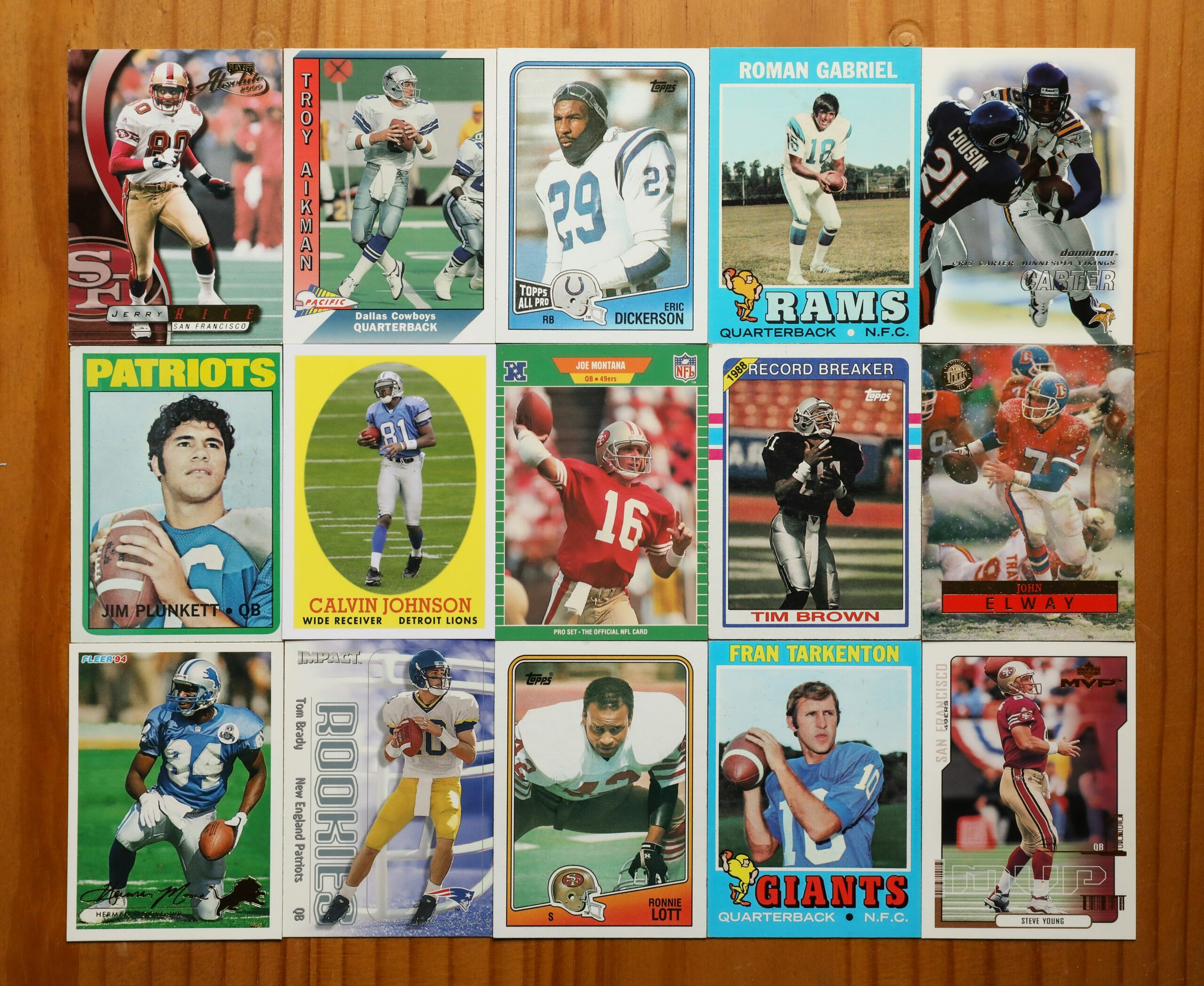
Understanding what shapes value in the modern hobby helps collectors evaluate opportunities with greater confidence, especially for those approaching sports cards as a long-term investment, as demand continues to shift. The market now includes longtime enthusiasts as well as new investors seeking alternative assets. This wider audience has created fresh momentum around collectible cards as a potential long-term investment category.
Since trends evolve quickly, a clear view of the most influential elements provides valuable guidance for anyone hoping to strengthen decision-making, protect a long-term investment strategy, and gain a deeper feel for changing conditions.
Condition and Visual Integrity
Condition remains a primary driver because it affects desirability more than almost anything else. Even small issues influence perceptions of quality, and buyers often compare fine details before committing to a purchase. Well-preserved corners, glossy surfaces, and sharp edges create immediate appeal. Although flaws may seem minor, seasoned collectors notice them instantly, so proper care becomes essential for anyone who wants a card to maintain strong potential over time.
Grading companies support this process with standardized systems that allow fair comparisons across categories. A graded card offers transparency that encourages trust, especially when collectors trade online. Because accurate grading helps determine realistic worth, many collectors submit key items for professional evaluation. Over time, consistent standards help stabilize expectations, which in turn strengthen the overall view of sports card value across the hobby.
Player Performance and Career Direction
Player performance shapes interest because fans connect deeply with athletes who deliver memorable seasons. Breakout moments often spark sudden attention, and collectors respond quickly when an athlete shows extraordinary ability. Since performance shifts influence fan enthusiasm, values can rise when a player becomes part of major conversations within the sport. Although uncertainty exists in every season, collectors track storylines closely to understand changing dynamics.
Career direction also matters because long-term success creates trust. Athletes who display leadership, resilience, and consistency tend to earn lasting admiration, which in turn fuels stronger demand. As a result, collectors often evaluate both current performance and future potential when deciding whether to buy or sell. When optimism surrounds an athlete’s path, interest grows and plays a direct part in shaping sports card value across multiple categories.
Rarity and Limited Distribution
Rarity encourages competition because collectors enjoy pursuing items that few people can own. Limited print runs create excitement by offering something unattainable to the broader market, thereby increasing its significance. Since collectors appreciate knowing how many copies exist, manufacturers often specify print quantities, which helps buyers make informed comparisons.
Exclusive parallels and special color variations add another dimension of appeal. These items may follow the same design as the base version but include a unique finish that distinguishes them from the wider release. Because they appear less often, these cards capture attention and strengthen long-term desirability. As collectors search for pieces that stand out, rarity continues to influence sports card value and supports the growth of specialty segments within the hobby.
Brand Identity and Set Prestige
Brand identity affects demand because collectors recognize certain manufacturers as industry leaders. Long-running sets earn respect through consistent quality, distinctive artwork, and stable traditions. Since experienced collectors build long-term relationships with established lines, new releases from trusted brands often attract immediate attention.
Prestige also develops when a product line introduces memorable concepts or innovative designs. Some sets feature artwork that becomes iconic within the hobby, while others introduce special inserts that define collecting trends. Collectors enjoy revisiting these designs each year because they feel familiar yet refreshing. As brand loyalty grows, these products often set the standard for quality and help shape sports card value throughout both primary and secondary markets.
Historical Importance and Cultural Momentum
Historical importance gives certain items emotional weight. Cards linked to legendary seasons, championship runs, or iconic sports eras often attract interest from fans across generations. People enjoy celebrating moments that have shaped sports culture, and these memories increase their fascination with memorabilia associated with them. Since nostalgia remains powerful, many collectors prioritize items that reflect meaningful periods in athletic history.
Cultural momentum also shapes demand, as athletes sometimes influence entertainment, fashion, and broader social trends. When an athlete becomes a cultural symbol, interest extends beyond traditional fans, thereby increasing visibility. Collectors appreciate how cultural relevance adds depth to a card’s story and creates value beyond simple statistics. Because cultural influence encourages curiosity, it naturally supports stronger sports card value and extends appeal across diverse groups.
Autographs, Memorabilia Elements, and Distinctive Features
Autographs create a personal link between the athlete and the collector. Since each signature reflects a moment of direct participation, many collectors value them highly. Clean signatures with clear ink strokes often attract more attention because they appear crisp and well-preserved. Although signatures vary in style, many collectors prioritize neatness and placement.
Memorabilia cards offer another compelling feature: they include pieces of equipment or materials used during competition. These items provide a tangible connection to actual games and increase emotional impact. Collectors appreciate how these physical elements transform cards into miniature pieces of athletic history. When combined with appealing designs or creative layouts, memorabilia features add significant value and influence sports card prices.
Market Trends and Collector Behavior
Market trends evolve rapidly as modern technologies, grading practices, and digital platforms shape how collectors interact. Social channels allow quick sharing of discoveries, and real-time discussions influence buying behavior. Because the hobby continues to embrace digital communities, collectors stay informed about releases, price changes, and emerging opportunities. This constant flow of information supports a more dynamic marketplace.
Collector behavior also changes as people gain experience. Some focus on rare items, while others explore modern inserts, vintage sets, or player-specific collections. As preferences shift, market sentiment moves with them, and values respond accordingly. When excitement spreads through a particular segment, demand naturally grows, often affecting sports card values across both casual and advanced collectors.