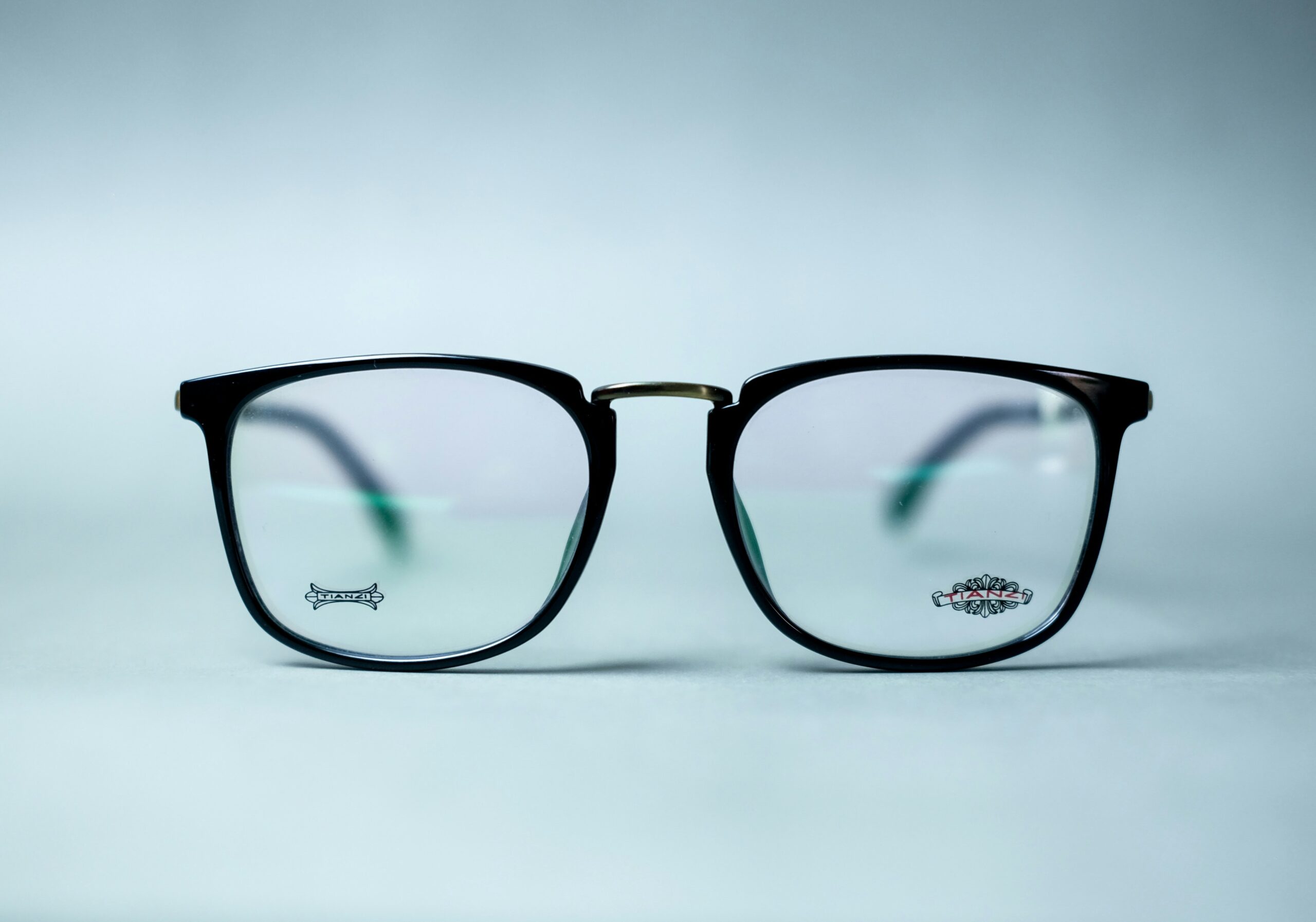
Choosing between contact lenses vs. glasses can feel confusing. Both options help you see clearly. Both improve daily life. Yet each one works in a different way. The right choice depends on your lifestyle, comfort, and personal style.
Many people ask which option is better. The truth is simple. There is no single answer for everyone. This guide will help you understand the key differences so you can decide what fits your needs.
Understanding How Glasses Work
Glasses sit on your nose and rest in front of your eyes. The lenses bend light before it enters your eyes. This helps correct vision problems such as nearsightedness, farsightedness, and astigmatism.
Glasses are easy to use. You put them on in the morning and take them off at night. They do not touch your eyes. This makes them a safe and low risk option for many people.
They also protect your eyes from dust and wind. Some lenses even block blue light from screens. If you want a simple solution, glasses are often a good choice.
How Contact Lenses Correct Vision
Contact lenses sit directly on the surface of your eyes. They move with your eyes and provide a natural field of vision. Because they sit so close to the eye, they offer clear vision without frames blocking your view.
Many people like contact lenses because they are almost invisible. They do not change how your face looks. You can wear sunglasses easily without switching frames.
There are different types of contact lenses. Some are worn daily and thrown away at night. Others can be worn for longer periods. Your eye doctor will recommend the best type for your eyes.
Comfort and Daily Use
Comfort plays a big role in the contact lenses vs. glasses decision. Glasses can feel heavy after long hours. They may slide down your nose. In hot weather, they can fog up.
Contact lenses feel natural once you get used to them. However, they require care. You must clean them properly. Dirty lenses can cause eye infections. Some people also experience dry eyes when wearing contacts.
If you have allergies or sensitive eyes, glasses may feel more comfortable. If you do not like anything touching your face, contact lenses may feel better after the adjustment period.
Appearance and Personal Style
Your personal style matters. Glasses have become a fashion accessory. Many people enjoy choosing frames that match their personality. You can switch frames for different looks.
Contact lenses offer a different advantage. They are invisible. People see your face clearly without frames. Makeup shows better. Photos may look more natural.
When comparing contact lenses vs. glasses, think about how you want to present yourself. Do you enjoy wearing stylish frames, or do you prefer a frame free look.
Sports and Active Lifestyles
If you live an active life, this section is important. Glasses can slip during sports. They may break if hit by a ball. Sweat can make them slide.
Contact lenses stay in place during movement. They allow better side vision. Many athletes prefer contacts for this reason. They are also more convenient when wearing helmets or protective gear.
Still, contact lenses require proper hygiene. If you play sports outdoors, carry eye drops if needed. Comfort and safety should always come first.
Cost and Long Term Value
Cost is another factor in the contact lenses vs. glasses discussion. Glasses usually involve a one time purchase. You may only need new lenses if your prescription changes.
Contact lenses require ongoing purchases. You must also buy cleaning solution. Over time, this can cost more than glasses.
However, some people choose to use both. They wear contact lenses during the day and glasses at home. This approach gives flexibility and comfort.
Talk to your eye care provider about your budget. They can help you compare options and plan for long term costs.
Health and Eye Safety
Eye health should guide your decision. Glasses have fewer risks. They do not touch the eye surface. This lowers the chance of infection.
Contact lenses are safe when used correctly. You must wash your hands before touching them. You must follow cleaning instructions. Sleeping in lenses not made for overnight wear can cause problems.
Regular eye exams are important for both options. Your eye doctor will check for changes in your vision and signs of irritation. Safe habits keep your eyes healthy for years.
Making the Right Choice for You
When thinking about contact lenses vs. glasses, focus on your daily routine. Do you spend long hours at a computer. Do you play sports often. Do you want a low maintenance option.
Some people value convenience and choose glasses. Others value freedom of movement and choose contact lenses. Many use both for different situations.
There is no wrong choice. The best option supports your lifestyle and keeps your eyes comfortable. Speak with an eye care professional before making a final decision. They will examine your eyes and explain what works best for your vision needs.
In the end, clear vision is the goal. Whether you choose contact lenses, glasses, or both, what matters most is seeing the world with comfort and confidence.