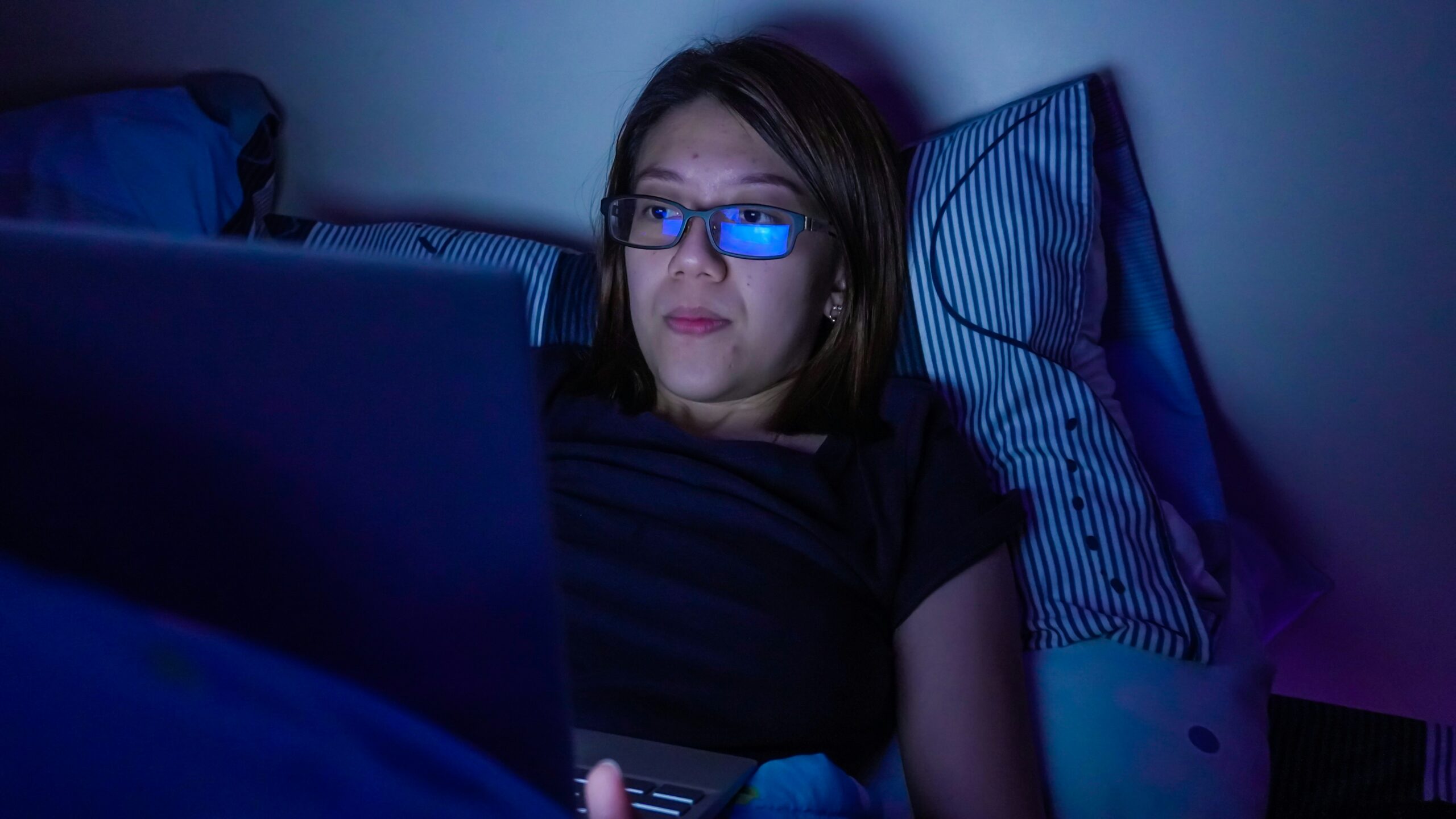
Blue light glasses have become incredibly popular in the age of digital devices. With the rise of smartphones, laptops, and tablets, many people have turned to these glasses as a solution to screen-related discomfort. But do these glasses offer genuine benefits, or are they simply a trend fueled by screen fatigue?
Blue light glasses claim to filter out harmful blue wavelengths from your devices, offering relief from eye strain and sleep disruptions. But it’s essential to break down the science, understand their purpose, and decide whether they’re genuinely worth wearing.
What Is Blue Light and Where Does It Come From
Blue light is a high-energy visible light that’s naturally present in sunlight. It helps regulate the body’s natural sleep and wake cycles. However, artificial sources such as LED screens, smartphones, and tablets also emit blue light, mainly when used at close range for extended periods.
While natural exposure during the day can keep you alert and awake, too much blue light at night may interfere with your sleep. The concern isn’t just about exposure but the timing and amount of screen usage, especially before bed.
The Real Issue With Screen Time
People who spend long hours in front of digital screens often complain of tired or dry eyes, blurry vision, or even headaches. These symptoms are part of a condition called digital eye strain, or computer vision syndrome. The discomfort usually builds up after long stretches of uninterrupted screen time.
However, it’s not just blue light causing the problem. Focusing on screens without taking breaks, poor posture, and reduced blinking are significant contributors to eye strain. Even glare or improper screen brightness can make your eyes feel worse after prolonged use.
How Blue Light Glasses Are Designed to Help
Blue light glasses feature lenses that filter out a portion of high-energy blue light. Some versions are clear, while others have a subtle yellow tint, and both aim to reduce the intensity of light reaching your eyes during screen use.
Manufacturers suggest that wearing these glasses can reduce eye strain, improve sleep quality, and protect your eyes from potential long-term damage. By wearing them while using screens, especially in the evening, users may feel more comfortable and sleep better.
Do Blue Light Glasses Work for Eye Strain?
Many users report feeling more relaxed while using blue light glasses during work or study sessions. They report fewer headaches, less squinting, and reduced eye irritation. However, studies have shown mixed results. Some research suggests the relief might come more from reduced screen glare and improved lens comfort than from actual blue light filtration.
Experts often point out that eye strain is more about screen habits than just blue light. Not taking breaks, poor ergonomics, and staring at one point for too long can all trigger discomfort. Blue light glasses might help a little, but they are not a complete solution on their own.
Can Blue Light Glasses Improve Sleep?
Another big claim surrounding blue light glasses is that they can improve your sleep by blocking the blue light that suppresses melatonin. Melatonin is a natural hormone your body produces to signal it’s time to sleep. When screens are used close to bedtime, they can delay this signal, keeping your brain alert.
Some small studies suggest that wearing blue-light glasses in the evening may improve sleep quality, especially if you often use devices before bed. While these benefits are promising, sleep hygiene practices such as turning off screens an hour before sleeping or using device night modes can also help without needing glasses.
What Eye Doctors and Researchers Recommend
Most eye specialists agree that blue light glasses aren’t harmful and may benefit specific individuals. However, they often emphasize adjusting screen behavior over relying on glasses. Following the 20-20-20 rule, looking at something 20 feet away for 20 seconds every 20 minutes, can significantly reduce eye fatigue.
Doctors also suggest positioning your screen at the correct distance, reducing screen brightness, and blinking more often to avoid dryness. These behavioral changes can do more for eye health than simply wearing glasses.
Simple Lifestyle Alternatives to Blue Light Glasses
If you’re not ready to invest in blue light glasses, you can still protect your eyes through small lifestyle changes. Try using built-in blue light filters or “night mode” on your devices, especially in the evening. These settings shift the screen’s color to warmer tones, which are less stimulating to the eyes.
Also, consider creating a sleep-friendly environment by reducing overhead lights, avoiding screen use right before bed, and keeping a consistent bedtime routine. These steps, when combined with regular breaks and ergonomic screen setups, can make a significant difference in how your eyes feel throughout the day.
Should You Try Blue Light Glasses?
For people who spend hours in front of screens, trying blue light glasses could be worth it. They are affordable, easy to use, and widely available online or in stores. Some people find noticeable comfort while wearing them, even if part of the benefit comes from overall visual relief.
Still, it’s important to remember that blue light glasses are not a magic fix. They should be used alongside proper screen habits and healthy lifestyle adjustments. If you continue to experience severe eye strain or sleep problems, it’s a good idea to consult a professional to rule out other causes.
Final Thoughts on Blue Light Glasses
Blue light glasses have carved out a place in the modern digital lifestyle. As screens continue to dominate our work and entertainment routines, protecting our vision has become more critical than ever. While the evidence supporting blue light glasses is still evolving, many users swear by their comfort and benefits.
Using blue light glasses can be a helpful part of your eye-care routine, especially when combined with conscious screen use and smart habits. Whether or not they become a permanent accessory, they can offer relief in today’s screen-heavy world.