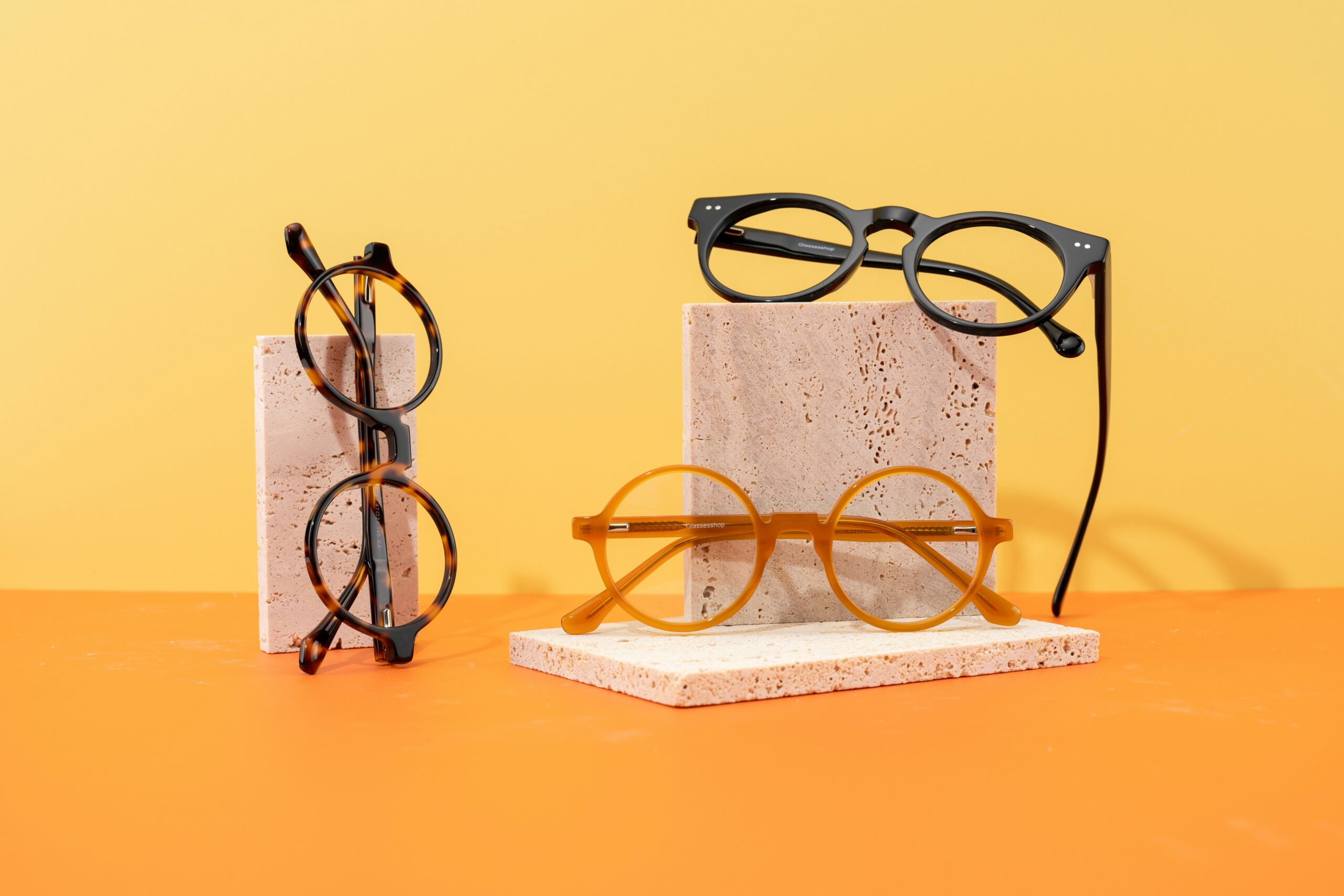
Eyeglasses hold a remarkable place in human history because they reflect the desire to enhance vision and improve daily life. Their earliest roots trace back to ancient civilizations that experimented with materials to magnify objects. Although those early attempts lacked sophistication, they paved the way for the first recognizable eyeglasses in medieval Europe. During the late thirteenth century, Italian artisans created convex lenses that helped people with farsightedness. These early designs may look primitive today, yet they marked a turning point in how people interacted with the world around them.
As glassmaking techniques improved, eyeglasses became more reliable and more available. Artisans shaped lenses with greater precision, enabling wearers to achieve clearer vision than ever before. People soon realized that eyeglasses offered more than just physical clarity, as they also provided new learning opportunities. With better sight, readers were able to explore texts for more extended periods, enabling them to participate more actively in scholarly and religious life. Therefore, the invention of eyeglasses contributed not only to individual well-being but also to broader social progress.
Transformation Across the Renaissance and Enlightenment
The Renaissance popularized eyeglasses further because scholars relied heavily on reading and writing. As literacy increased, demand for vision correction skyrocketed. Eyeglasses soon spread across Europe, and people from different professions adopted them. Although early frames lacked comfort, wearers still embraced them because they valued the benefits they offered. This period showed how deeply society connected a clear vision with intellectual achievement.
Moving into the Enlightenment, eyeglasses began to reflect personal taste as well as function. Artisans introduced new materials such as leather, bone, and metal, and each material gave rise to distinct styles. Although the designs still favored practicality, they also hinted at eyewear as a fashion accessory. People now saw eyeglasses as a symbol of knowledge and refinement. This perception helped them transition from simple tools to objects that expressed personality.
During this era, inventors also explored improvements in lens technology. They experimented with concave lenses for nearsightedness, which expanded the usefulness of eyeglasses. As a result, individuals with a wide range of visual needs gained access to practical solutions. This expansion marked another milestone in eyewear’s cultural journey, enabling more people to fully participate in daily activities.
Industrialization and Mass Accessibility
The Industrial Revolution made eyeglasses more accessible by enabling factories to produce them faster and more consistently. Mass production changed the landscape of vision correction by lowering costs and increasing availability. Even people with modest incomes could finally afford a pair of glasses. This shift encouraged widespread acceptance and helped normalize the idea of wearing eyewear in public.
As technology advanced, manufacturers experimented with new frame shapes that added comfort. They focused on designs that fit securely yet felt light enough for long-term wear. These changes encouraged people to embrace eyeglasses without hesitation because they no longer felt awkward or burdened. The nineteenth century also witnessed breakthroughs in optical science, which led to more precise lenses. With improved accuracy, wearers enjoyed clearer vision and far greater confidence in their eyewear.
Photography and advertising also shaped public perception during this period. Images of influential individuals wearing eyeglasses helped shift attitudes. People now view eyewear as a sign of intelligence, professionalism, and credibility. This cultural shift laid the foundation for the modern fashion industry that later embraced eyewear as a central accessory.
The Rise of Eyeglasses as a Fashion Statement
During the twentieth century, eyewear entered a new phase because designers began treating frames as expressions of style. Celebrities, artists, and political leaders wore distinct designs that influenced public tastes. Bold shapes, vibrant colors, and creative materials turned eyeglasses into fashion icons. As more public figures embraced unique looks, ordinary people followed their lead and adopted eyewear as a central part of their identity.
At the same time, innovations in manufacturing allowed designers to experiment freely. Plastic frames, lightweight metals, and flexible hinges encouraged imaginative designs. This freedom fueled an entire industry built around personalization and self-expression. Wearers now choose glasses that match their clothing, mood, or profession. Eyewear no longer served only a functional purpose because it now reflected individuality and confidence.
During this era, advancements in eye care also changed the relationship between people and their glasses. Optometrists gained access to better diagnostic tools, enabling them to prescribe more accurate lenses for a broader range of conditions. As a result, individuals trusted their eyewear more and relied on it to support everything from reading to driving. This trust strengthened the bond between culture, technology, and personal style.
The Modern Era of Innovation and Personal Expression
Eyeglasses today represent a blend of science, fashion, and identity. Modern manufacturers create lenses that address complex visual needs, including digital strain and age-related changes. Because of these advancements, wearers experience a level of comfort that previous generations could not imagine. Moreover, designers continue to push creative boundaries by introducing minimalist metal frames, oversized fashion formats, and eco-friendly materials. This variety ensures that people find styles that align with both their visual needs and personal preferences.
Digital culture also plays a significant role in shaping eyewear trends. Influencers share their favorite frames on social platforms, inspiring millions of followers. As trends evolve quickly, manufacturers respond with fresh designs that reflect modern tastes. This cycle keeps the eyewear industry dynamic by linking creativity with consumer desires.
Furthermore, modern technology encourages customization. People can choose lens coatings, adjustable fits, and frame colors that suit their lifestyles. They can even design their own frames through online tools. This flexibility underscores how far eyeglasses have come since their early beginnings. They started as simple tools, yet now they stand as symbols of identity, comfort, and innovation.
A Continuing Legacy of Vision and Style
The cultural journey of eyeglasses continues to evolve as technology advances and fashion trends shift. Even so, their legacy remains rooted in the human desire to see clearly and express individuality. From early magnifying stones to contemporary designer frames, eyeglasses reflect centuries of progress. As society moves forward, eyewear will continue to bridge function and style, helping people navigate the world with confidence and clarity.